NHS launches a blood test trial for cancer: 20,000 patients and 200 GP practices
On 4 November 2026 the government announced a trial of a simple blood test to help GPs spot abdominal cancers earlier. More than 20,000 NHS patients will take part.
Thanks for £1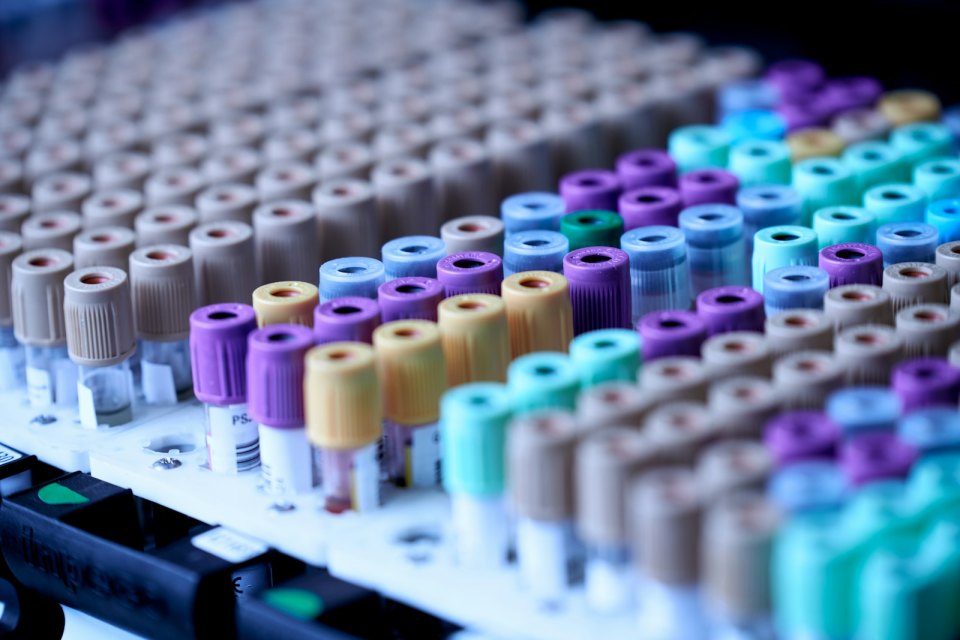
On 4 November 2026 the UK's Department of Health and Social Care announced a large trial called STRIDE-RCT. Its aim is to test whether a simple blood test can help GPs find abdominal cancers earlier and decide sooner who needs an urgent referral. It is being developed by the University of Birmingham. An important caveat: a positive result from such a test is not a diagnosis, only a reason for further checks.
How will the trial work?
It plans to include more than 20,000 NHS patients across at least 200 GP practices in England. The test will be offered to people aged 45 and over who see their GP with abdominal symptoms — for example persistent bloating or discomfort. In most cases it means just one or two tubes of blood, taken alongside the routine blood tests already ordered.
 ONLYWAY NEWSLIVELife · 05.11NHS launches a blood test trial for cancer: 20,000 patients and 200 GP practicesLaw · 05.11County Court Judgment (CCJ) for debt in the UK: what it is and how to clear it from the registerMoney · 04.11Child Trust Funds: easier access to savings for tens of thousandsLife · 04.11NHS breast screening in the UK: who is invited for a mammogram, and how oftenBooks · 04.11Black Beauty by Anna Sewell — a book for the night: the opening, the author and a Norfolk trailLife · 04.11Children's Funeral Fund in England: who qualifies and how to claimTechnology · 04.11GOV.UK Wallet: your documents and driving licence on your phoneLife · 04.11Diabetic eye screening in the UK: who the NHS invites and what happens at the appointmentTravel · 04.11Flexi Season: the part-time commuter's train ticket explainedHousing · 04.11Extending a flat's lease in the UK: why it matters and what the 80-year threshold meansONLYWAY NEWS · appInstall the ONLYWAY NEWS appFresh UK news, classifieds, key dates and exchange rates on your home screen, one tap away. Free.NewsClassifiedsCalendarRates
Which cancers does it cover?
Abdominal cancers: bowel and small bowel, stomach, oesophageal, pancreatic, liver, bile duct and gallbladder, ovarian, endometrial, kidney, bladder and prostate. These are often found late because their first signs — like bloating or tummy discomfort — are easy to mistake for something harmless.
Why does it matter?
According to the government, about 71,000 people in England are diagnosed each year with pancreatic, stomach, liver, ovarian or bowel cancer, and about 35,000 die from them each year. Stage matters hugely: with stage 1 bowel cancer about nine in ten people survive five years or more, against about one in ten at stage 4. Yet today only 2–6% of urgent cancer referrals end in a diagnosis, so it is hard for doctors to know who to prioritise.
What should the blood test do?
If a simple test helps pick out patients at higher risk, GPs could refer them for deeper checks earlier and with more confidence. The organisers stress they are recruiting practices in different areas — inner cities, coastal towns and rural places — so the result applies across the country. Up to £8.49 million has been allocated to the trial.
What does it mean for patients?
For now this is research, not a new standard procedure: the test is offered only to trial participants at selected practices. But there is a simple takeaway for readers: persistent changes in your gut — long-lasting bloating, discomfort, unexplained weight loss — are a reason to see your doctor, not to wait. Early checking is still what separates a good outcome from lost time.
Thanks for £1If this information was useful and came in time, press the heart. Payment goes through PayPal, with nothing to choose and nothing to fill in, and it pays for the newsroom.

- Jobs & Business Post Your Ad Free
- Life Russian-speaking doctors and clinics in London: eight addresses checked against the registers
- Life Russian-language events in London: verified dates to December 2026
- Life Where to buy the food you grew up with in London: Russian, Ukrainian, Polish and Baltic shops
- Housing UK rents hit £1,400 a month, £2,332 in London — £79 a month more than a year ago
- Travel Peak and off-peak fares in London 2026: when travel is cheaper
- Life Soviet Underground play Red Wave covers at The Victoria, Dalston, on 14 November