Pneumococcal vaccine in the UK: who gets it free on the NHS — babies and over-65s
Pneumococcal bacteria can cause pneumonia, sepsis and meningitis. The NHS offers the vaccine free to babies, everyone aged 65 and over, and at-risk groups.
Thanks for £1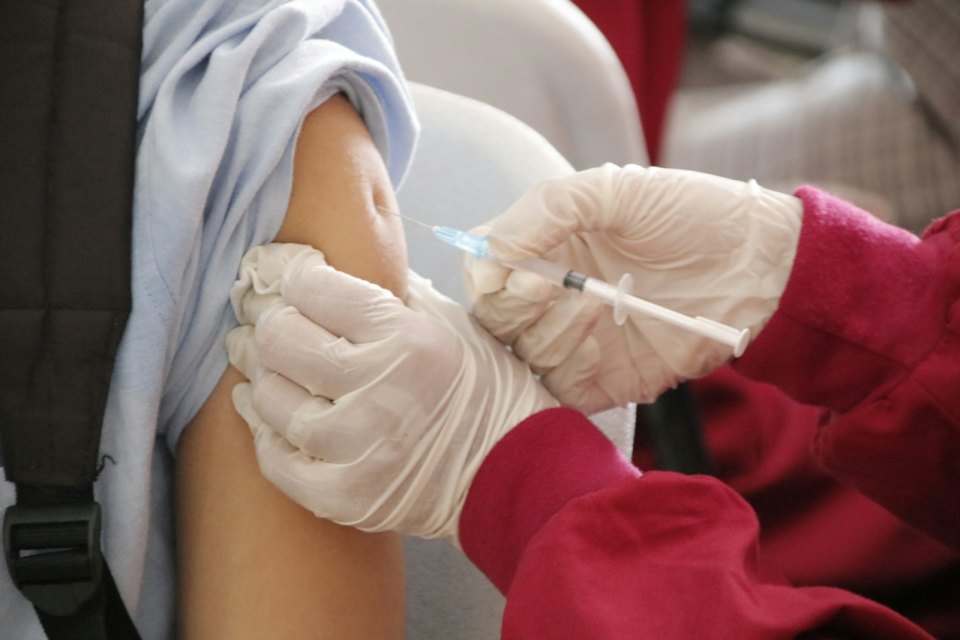
Pneumococcal bacteria can cause pneumonia, sepsis (blood poisoning) and meningitis, and some types also sinusitis and ear infections. These are especially dangerous for young children and older adults. The NHS offers a free pneumococcal vaccine to several groups. Here is who is eligible and how many doses you need.
Who gets it free?
Babies first: a dose at 16 weeks and a booster at 1 year, with a child able to catch up until they turn 2. Then everyone aged 65 and over, who need a single dose. And separately, children and adults in at-risk groups, who need at least one dose and sometimes more.
Who counts as at risk?
People with a removed or poorly working spleen, sickle cell disease, COPD or cystic fibrosis, heart disease, chronic kidney disease, cirrhosis, diabetes, a weakened immune system (for example HIV, steroids or chemotherapy), or a cochlear implant. Some welders and metal workers exposed to fumes should be offered it through their employer.
How many doses, and which vaccine?
Most adults need one dose, giving years of protection; most babies need two. Adults and children over 2 usually get Prevenar 20, while babies under 2 get Prevenar 13. Protection usually starts about 2 to 3 weeks after the jab, and it can be given at the same time as the flu vaccine.
How to get it
Your GP surgery usually contacts you by letter, text, phone or email. If you think you are eligible but have not heard, or you missed it, contact the surgery to book or rearrange. Welders and metal workers should speak to their employer. Almost everyone can have it, including in pregnancy and while breastfeeding; the exception is a serious allergy to an ingredient, and it is delayed with a high temperature.
How is it different from the flu jab?
They are separate vaccines for different germs: flu is a virus, pneumococcus is a bacterium, and they protect against different illnesses. But they can be given at the same visit, which is convenient in autumn. One key difference: the flu jab is repeated every year, while most adults need the pneumococcal vaccine only once for years of cover. So if you are 65 or over and going in for your annual flu jab, ask the nurse whether you have ever had the pneumococcal vaccine — you may be able to get it at the same time and not think about it again.
Why it matters
Pneumococcal infections hit hardest the people who are already vulnerable: older adults and those with long-term conditions. The vaccine does not stop every cough, but it markedly cuts the risk of the most dangerous complications — severe pneumonia, blood poisoning and meningitis. As it is free on the NHS for eligible groups and usually needed only once, there is little reason to delay.
Thanks for £1If this information was useful and came in time, press the heart. Payment goes through PayPal, with nothing to choose and nothing to fill in, and it pays for the newsroom.

- Life Nemnogo Nervno’s Kateryna Gopenko plays London on 20 November
- Tax Self Assessment: 31 Jan deadline
- Money Do marketplace warehouses give goods away free? The truth about unclaimed parcels
- Life Russian-speaking doctors and clinics in London: eight addresses checked against the registers
- Books Book at bedtime: Pride and Prejudice and the price of a good match
- Immigration UK Standard Visitor Visa in 2026: Rules, Fees and Duration
- Jobs & Business Post Your Ad Free