Car owners in Britain: tax, charging zones, parking, buying, scrapping and the truth about “free” cars
How much road tax costs and why electric cars now pay too, ULEZ and the Congestion Charge, where to park without a fine, how to buy and sell safely, how to scrap and get paid, and why “free abandoned cars” is a myth. With the real cheap options.
Thanks for £1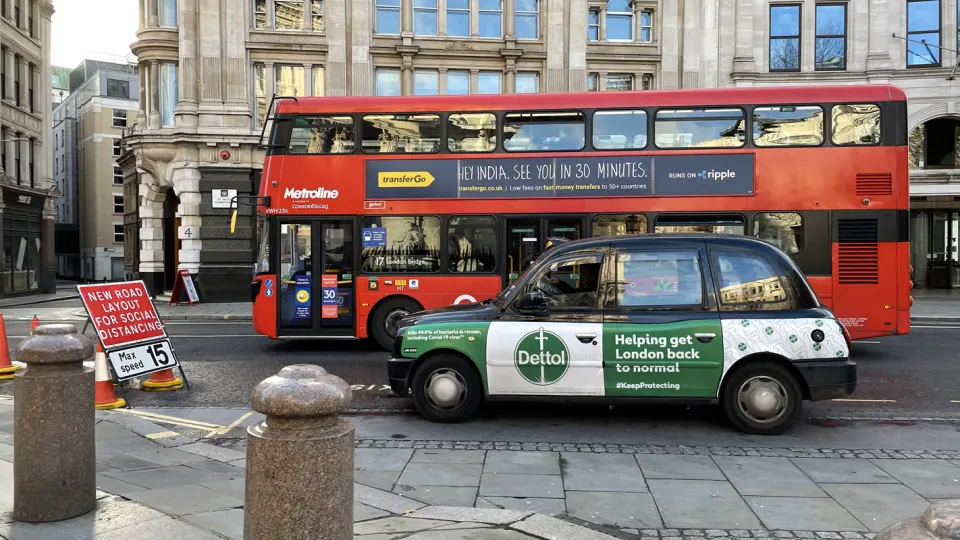
A car in Britain is not just fuel. Tax, charging zones, parking, insurance and fines add up to a serious sum, and you can save on much of it if you understand the rules. Here it is in order — and we’ll bust the popular myth about “free abandoned cars” too.
Road tax (VED): electric cars now pay too
The standard annual tax is around £195–210. The first year depends on emissions: an EV pays a token £10, a hybrid about £110, and heavily polluting petrol/diesel up to several thousand. The big change: since April 2025 electric cars pay VED too — the free ride is over. Cars over £40,000 pay an extra roughly £425 a year in years 2–6 (now including pricey EVs). Pay on gov.uk annually, six-monthly or monthly. Driving untaxed is not allowed: a fine from £80, wheel clamping and invalid insurance.
 ADV · A001ONLYWAY JEWELRY — gold, silver and platinumRings, chains, bracelets, earrings and pendants. Delivery across the UK.Advertise here
London charging zones: ULEZ and the Congestion Charge
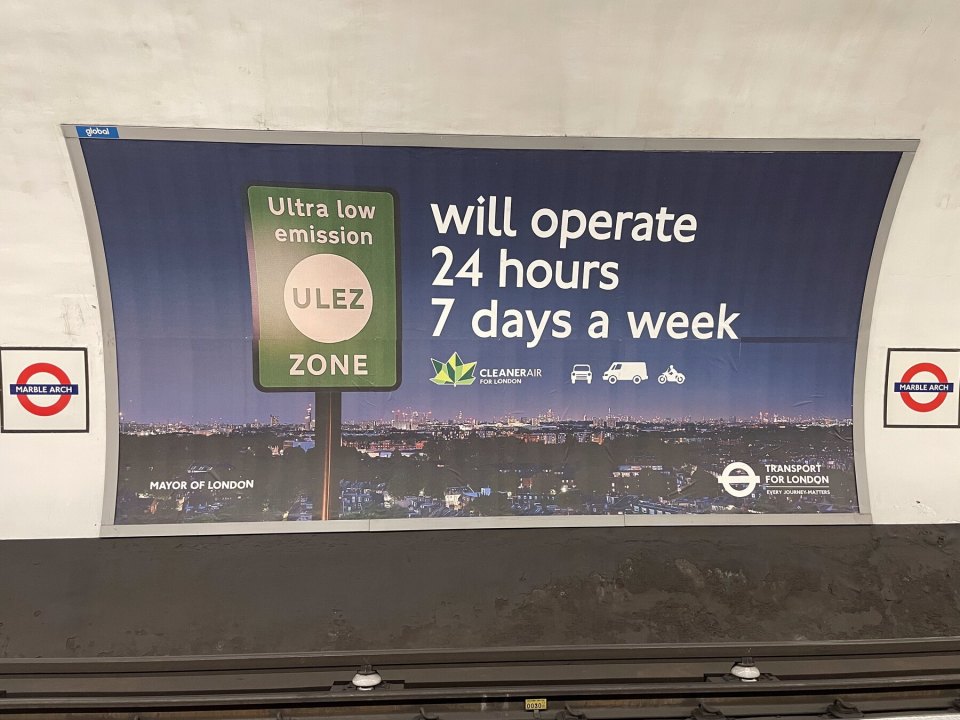
These are two different charges, often confused. ULEZ (the ultra-low emission zone) is £12.50 a day for non-compliant petrol/diesel cars, 24/7 across Greater London; EVs are exempt. The Congestion Charge (to enter the centre) is £18 a day from 2 January 2026, weekdays 07:00–18:00 and weekends 12:00–18:00. The EV discount got worse: the 100% exemption ended on 25 December 2025, and EVs now get only 25% off, and only if registered on Auto Pay. Other cities (Birmingham, Bristol and more) run their own Clean Air Zones with their own charges — check before you drive.
Toll roads
Britain has few toll roads. The most common is the Dartford Crossing (Dart Charge), about £2.50 for a car: pay online by midnight the next day, there is no booth. There is a tolled stretch of the M6 Toll near Birmingham. Everything else is free; a sat-nav usually shows tolls and a way around.
Where to park without a fine
Parking fines are the most annoying cost. By the markings: a double yellow line means never park, a single yellow means not during the hours on the sign. In controlled zones (CPZ) you need a permit or a paid ticket. Parking is paid almost everywhere via apps — RingGo, PayByPhone. It is genuinely free in places: many streets outside controlled hours (evenings and Sundays), residential areas with no CPZ, and free council car parks — but always read the sign; “looks free” does not count.
How to buy a car safely
Before buying used, run a history check (HPI check): is it on finance, a write-off, or stolen. You can check the MOT history free on gov.uk by number plate. Make sure the seller has the V5C (logbook) and transfer it to yourself through the DVLA. And remember: insurance first, then drive — you cannot drive uninsured for a minute.
How to sell and how to scrap
When selling, tell the DVLA you have sold it — you then automatically get a refund of tax for the unused full months, and the new owner must tax it afresh (tax does not transfer with the car). If the car is done, take it only to a licensed facility (ATF) and get a Certificate of Destruction. You should be paid for the scrap, not the other way round; paying cash for scrap metal is banned by law — bank transfer only.
 ONLYWAY NEWSLIVETravel · 19.10Loud music on buses and trains: a GBP100 fine, and up to GBP1,000 on the railwayLife · 19.10ULEZ and the Congestion Charge: £12.50, £18 a day and £180 for forgettingMoney · 18.10Section 75 and chargeback: how to get your money back in the UKMoney · 18.10DLA for children: rates from £30.30 to £194.60 and the three-month ruleLife · 18.10Book at bedtime: Pride and Prejudice and the price of a good matchHousing · 18.10Permitted development: what you can build in England without planning permissionHousing · 18.10Service charges in England: how to check the bill and challenge itHousing · 18.10HMO licence: when a shared house cannot be let without oneMoney · 18.10Switching banks in 7 days: how the service worksUK & Politics · 18.10UK dates to know, 18 October to 1 November: 8 to watchONLYWAY NEWS · appInstall the ONLYWAY NEWS appFresh UK news, classifieds, key dates and exchange rates on your home screen, one tap away. Free.NewsClassifiedsCalendarRates
The truth about “free abandoned cars”
The idea that Britain “gives away abandoned cars” is not true. Abandoned cars are removed and scrapped by the council, not handed out. But cheap is real. The genuine routes: police and seized-goods auctions, insurance and salvage yards (Copart, IAA), council and ex-lease sales, and private “runners” for a couple of hundred pounds. Beware the Cat S/Cat N categories (rebuilt after a crash) and cars on finance — check the history before you pay.
EV, hybrid or petrol — which is cheaper
It all comes down to your mileage and whether you can charge at home. Home charging on a night tariff is the cheapest (single-digit to low pence per kWh); public rapid charging is dear (often 60–85 pence). The Zapmap app helps find chargers. The bottom line: if you drive a lot and charge at home, electric is cheapest; with no home charging and average mileage a hybrid is often more sensible; petrol is cheaper up front and simpler if you drive little.
Useful apps
Check tax and MOT on gov.uk; pay for parking with RingGo and PayByPhone; find chargers with Zapmap; check a car’s history before buying with HPI-check services. We’ll add these tools to our “Technology” section with a note on why they help.
This is a reference, not legal advice: charges, zones and rules change often. Check exact figures at gov.uk and tfl.gov.uk.
Thanks for £1If this information was useful and came in time, press the heart. Payment goes through PayPal, with nothing to choose and nothing to fill in, and it pays for the newsroom.

- Travel Jubilee line part suspended to Stanmore after fire alert
- Travel London Tube and TfL closures in October 2026: the Piccadilly line stops entirely at Halloween, and no Tube to Heathrow on 17–18 October
- Life A hundred students walked into an Edinburgh pub? What the viral Reel really shows
- Life Russian-language events in London: verified dates to December 2026
- Money UK food prices: the basket, the pint and the fish supper
- Law England keeps jury trials: the government has rewritten its criminal courts reform
- Jobs & Business From 1 October, right to work checks reach couriers, subcontractors and platform workers