London bus: how to pay
No cash accepted. How to pay by card, what a journey costs and how the Hopper fare works.
Thanks for £1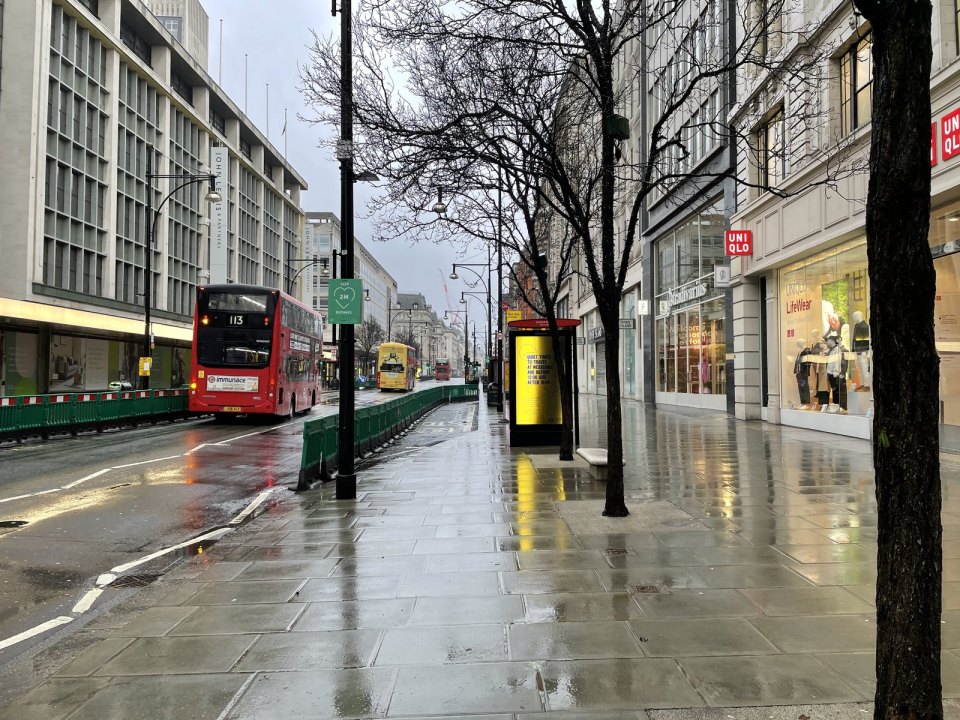
Hop on a London red bus and you will notice one thing fast: there is nowhere to pay the driver in cash. London buses are card only, and the fare is the same wherever you are going. Here is how to pay and how not to overpay.
Do London buses take cash?
No. London buses are cashless — you cannot buy a ticket with cash. You pay by touching a contactless card or device, or an Oyster card, on the yellow reader as you board, or by showing the driver a paper Travelcard.
How much is a single fare?
A single bus or tram journey costs £1.75, no matter how far you go. You touch in once when you board; there is no need to touch out. Make sure you touch only one card on the reader, or you may be charged twice.
 ONLYWAY NEWSLIVETravel · 26.11London bus: how to payLaw · 26.11Buying alcohol in the UK: the ageTravel · 26.11The City of London: what to seeLife · 26.11Royal Mail: collect a missed parcelTravel · 26.11Covent Garden: a visitor's guideTravel · 25.11Brighton: a day trip from LondonLife · 25.11The Countryside Code explainedBooks · 25.11The Grossmiths: a bedtime bookLife · 25.11Free NHS transport to hospitalTravel · 25.11Santander Cycles hire in LondonONLYWAY NEWS · appInstall the ONLYWAY NEWS appFresh UK news, classifieds, key dates and exchange rates on your home screen, one tap away. Free.NewsClassifiedsCalendarRates
What is the Hopper fare?
The Hopper fare lets you make unlimited bus and tram journeys within one hour of first touching in, all for the single £1.75 fare. It is applied automatically as long as you use the same card or device each time. If you take the Tube or a train in between, that journey is charged separately, but further bus journeys within the hour still count as Hopper.
Is there a daily limit?
Yes. Using the same card for every journey, buses and trams will never cost you more than £5.25 a day. Over a week (Monday to Sunday) the cap is £24.70. The caps work only if you pay with the same contactless card or Oyster each time.
Do children pay?
Children aged 5 to 10 travel free on buses and trams and do not need a Zip Oyster photocard. Those aged 11 to 15 travel free with an 11-15 Zip Oyster photocard.
What about a foreign bank card?
A contactless card issued outside the UK works on the reader, but your bank may add its own fees for each use — check with your bank before you rely on it. An Oyster card avoids that, as you load it with pounds in advance.
What if your card is short of money?
If your Oyster or contactless card does not have enough for the fare, the system lets you make one more bus journey on credit — the "one more bus journey" rule. After that, you must top up before the card will pay again. Do not rely on it: it is a one-off safety net, not a way to travel free.
 ADV · A001ONLYWAY JEWELRY — gold, silver and platinumRings, chains, bracelets, earrings and pendants. Delivery across the UK.Advertise here
Oyster or contactless — which to pick?
For a bus, there is no price difference: both Oyster and a contactless card give one journey for £1.75 with the same caps and Hopper fare. Oyster suits anyone who wants to avoid foreign-card bank fees and prefers to see their travel money set aside in advance. A contactless card is simpler — nothing to buy or top up.
The key points
No cash, £1.75 a journey, one hour of hopping for the same fare, and never more than £5.25 a day if you tap the same card every time. Touch in when you board only — there is no need to touch out.
Thanks for £1If this information was useful and came in time, press the heart. Payment goes through PayPal, with nothing to choose and nothing to fill in, and it pays for the newsroom.
- Life Nemnogo Nervno’s Kateryna Gopenko plays London on 20 November
- Tax Self Assessment: 31 Jan deadline
- Money Do marketplace warehouses give goods away free? The truth about unclaimed parcels
- Life Russian-speaking doctors and clinics in London: eight addresses checked against the registers
- Life Royal week: Prince George starts at Eton, Prince William at King Harald's funeral
- Immigration UK Standard Visitor Visa in 2026: Rules, Fees and Duration
- Travel GHIC card: state healthcare in Europe