Getting into a Russian university from the UK: quota, compatriot status and A-level recognition
A child raised in Britain with an EU passport wants to study in Russia. Three routes — the government quota, compatriot status and paid places — plus how British certificates get recognised.
Thanks for £1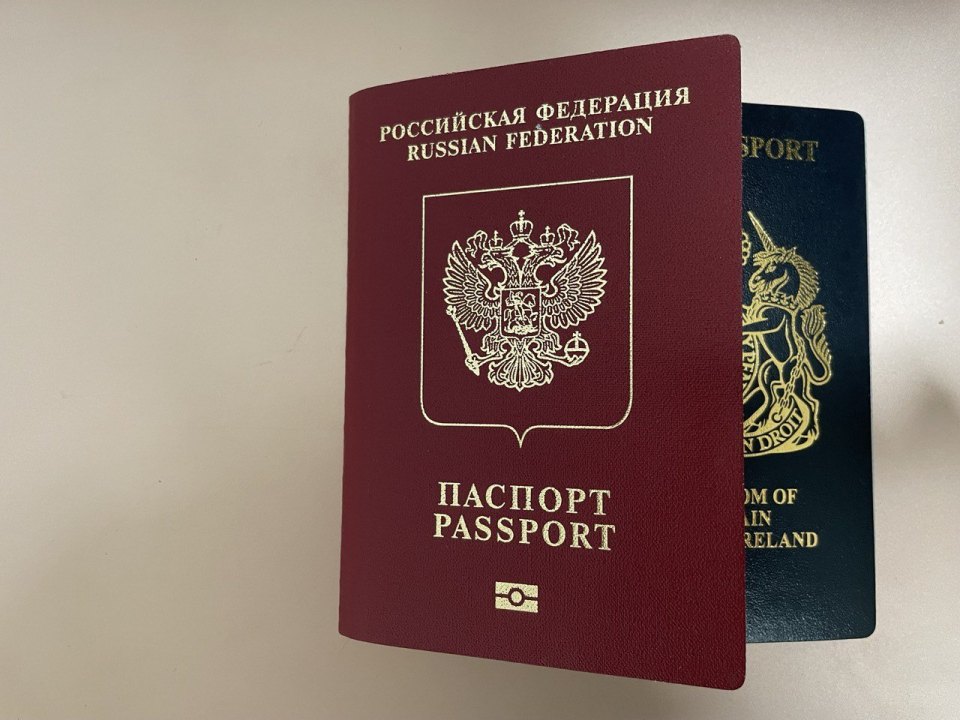
The same question keeps surfacing in Britain's Russian-speaking communities: a child has grown up here, holds a European or British passport, and wants to study at a Russian university. Is it possible, and where do you start? Here are the three working routes — no myths, just the documents.
Route one: the government quota
Russia allocates state-funded places to foreign students every year under a government quota: tuition is free and selection is run by Rossotrudnichestvo through the education-in-russia.com portal. Demand is growing fast: over 80,000 applications in 2025 and 110,000 in 2026. The intake for 2026/27 ran from 15 September 2025 to 15 January 2026; one application could name up to six universities, with scans of a passport and school documents attached. The 2027/28 window follows the same pattern — watch the portal. One caveat: an updated selection procedure (education ministry order No. 728) took effect on 7 November 2026, and Rossotrudnichestvo has said that from 2027 it will take into account Russia's relations with the applicant's country. For applicants from the UK that makes the quota the least predictable route.
 ADV · A001ONLYWAY JEWELRY — gold, silver and platinumRings, chains, bracelets, earrings and pendants. Delivery across the UK.Advertise here
Route two: compatriot status
A far more reliable mechanism for our readers: compatriots living abroad enter state-funded places on the same terms as Russian citizens — with any passport, Latvian or British included. Under the law on state policy towards compatriots, that covers people born in the USSR or Russia and their direct descendants. Proving the status is simple: your own passport and birth certificate, plus documents of parents or grandparents showing birth in the USSR/Russia, and proof of residence abroad. The university itself runs the check before the exams — admission offices such as HSE's or MSU's publish the procedure.
Exams and the British certificate
A British school-leaver usually does not need the EGE (Russian unified state exam): applicants with foreign school documents are allowed to sit the university's own entrance tests, which many universities run remotely. The certificate itself (GCSEs plus A-levels) does need recognition: most universities ask for a certificate from Glavexpertcentre (nic.gov.ru; the state fee changed during 2026, so check the current rate), but leading universities on a special list — MSU, SPbU and HSE among them — may recognise a foreign certificate themselves, free of charge. You will need a notarised translation, and the originals must be brought to the university within the first year of study — or the student is expelled.
Practical advice
Start a year ahead: translations and recognition in the summer, the quota application or the compatriot package in the autumn, entrance tests in the winter and spring. And always read the admission rules of the specific university — details differ. If the child also holds a Russian passport, they apply as a Russian citizen — but admission rules generally let a graduate of a foreign school sit internal exams instead of the EGE too.
Thanks for £1If this information was useful and came in time, press the heart. Payment goes through PayPal, with nothing to choose and nothing to fill in, and it pays for the newsroom.
- Life Nemnogo Nervno’s Kateryna Gopenko plays London on 20 November
- Jobs & Business Post Your Ad Free
- Jobs & Business A ‘free office’ in London? Where you are welcome, with Wi-Fi and tea
- Books Book at bedtime: Pride and Prejudice and the price of a good match
- Life Russian-speaking doctors and clinics in London: eight addresses checked against the registers
- Immigration UK Standard Visitor Visa in 2026: Rules, Fees and Duration
- Travel Your first adult UK passport: £102, documents and timing in 2026