Unit price on UK shelf labels
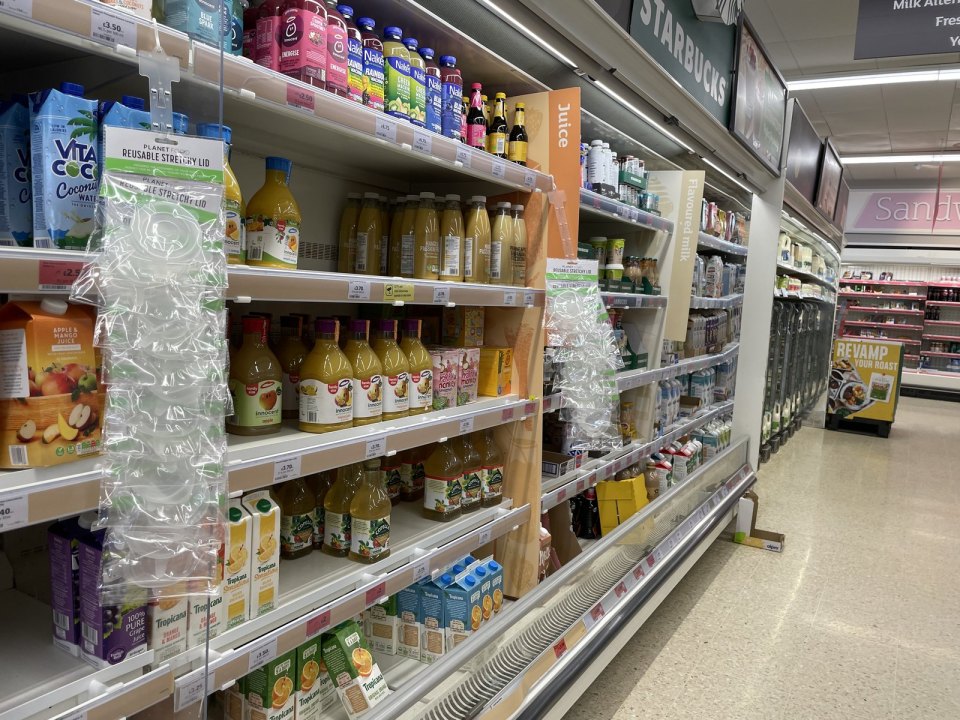
UK shops must show the price per kg or litre. Here is how it helps you compare.
Thanks for £1
In UK shops a small line such as "£1.50 per kg" often sits next to the shelf price. This is the "unit price", and the law requires it so shoppers can compare products fairly. Here is how it works and what changes in 2026.
What must a shop display?
Under the Price Marking Order 2004, a trader must show the selling price — what you pay for the actual pack — and, where applicable, the unit price. The unit price is the cost of a standard measure of the goods: a kilogram, a litre, or a single item where the product is sold by number.
Why does the unit price matter?
It lets you compare similar products of different sizes. An example from the government guidance: a £3 box of cereal weighing 500g works out at £6 per kg, while the same brand at £3 for 2kg is just £1.50 per kg. Without the unit price the gap is hard to spot, yet it is twofold.
Which units are used?
The law uses the kilogram or the litre (and, for goods sold by number, the price per item). "Per 100g" is not in the order — look for the price per kg or per litre. Where a product can be sold by weight or by volume, the measure shown on the pack is used.
What is changing under the new rules?
The Price Marking (Amendment) Order 2024 (made on 21 October 2024) requires the unit price on promotions too: a reduction must show both the reduced selling price and the reduced unit price. Where a product has more than one price — for example a standard price and a loyalty-card price — the label must show both unit prices and the condition (such as "with loyalty card"). Government guidance (September 2025) states the updated rules take effect on 6 April 2026.
Are there exemptions?
Yes. Small shops with a floor area of no more than 280 square metres need not show a unit price on pre-packed goods in a constant quantity. But that relief does not apply to loose goods sold from bulk, which always need a unit price. Services, auctions and sales of antiques are outside the rule.
Who enforces it?
Trading Standards (the consumer-protection service at your local council) enforces it. A breach is a criminal offence under the Prices Act 1974, carrying an unlimited fine. Civil action is also possible: under the Digital Markets, Competition and Consumers Act 2024 (DMCC Act) a fine can reach £300,000 or 10% of a firm's global turnover.
What should a shopper do?
Look past the big price to the small "per kg" or "per litre" figure — that is what shows the better deal. If a unit price is missing or looks wrong, tell your local Trading Standards service.
Thanks for £1If this information was useful and came in time, press the heart. Payment goes through PayPal, with nothing to choose and nothing to fill in, and it pays for the newsroom.

- Life Nemnogo Nervno’s Kateryna Gopenko plays London on 20 November
- Tax Self Assessment: 31 Jan deadline
- Money Do marketplace warehouses give goods away free? The truth about unclaimed parcels
- Life Russian-speaking doctors and clinics in London: eight addresses checked against the registers
- Life Royal week: Prince George starts at Eton, Prince William at King Harald's funeral
- Immigration UK Standard Visitor Visa in 2026: Rules, Fees and Duration
- Travel GHIC card: state healthcare in Europe