Why one British shop sells both medicine and eyelashes
You pop in for paracetamol and next to it are mascara and false lashes. Why are medicine and cosmetics so often under one roof in Britain, and why does even a tiny corner shop sell tablets? Here is the tradition of the British chemist — and why it is useful.
Thanks for £1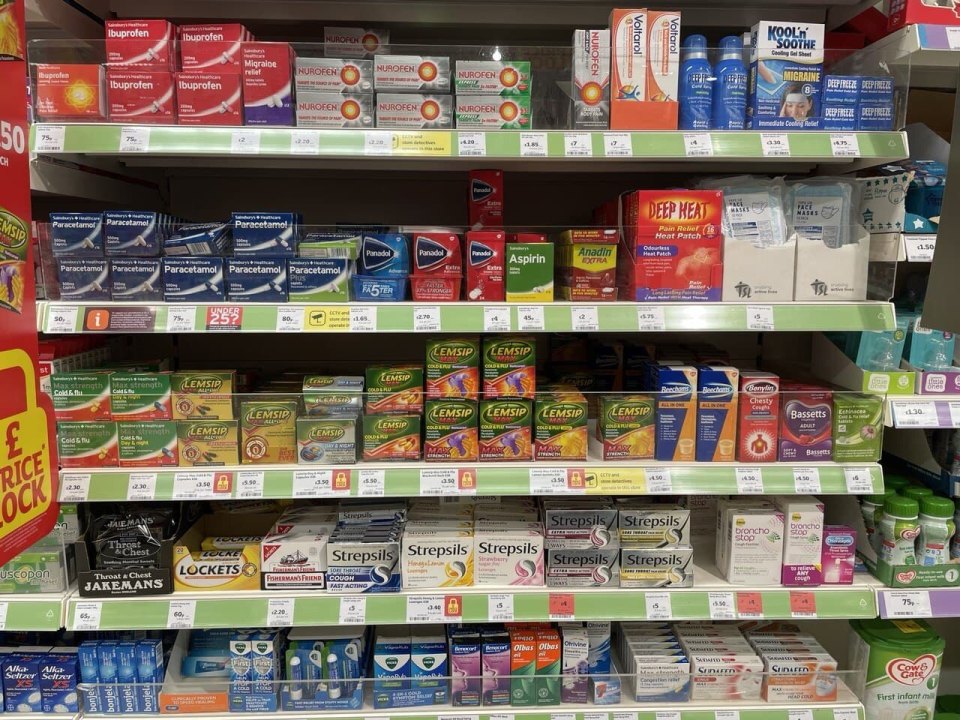
You pop in for paracetamol and on the next shelf there is mascara, nail polish and false eyelashes. And the tiny corner shop that sells water and newspapers also has headache tablets. Why do medicine and cosmetics so often sit under one roof in Britain? It is not chaos — it is an old tradition and some sensible rules.
A British chemist is “health and beauty”
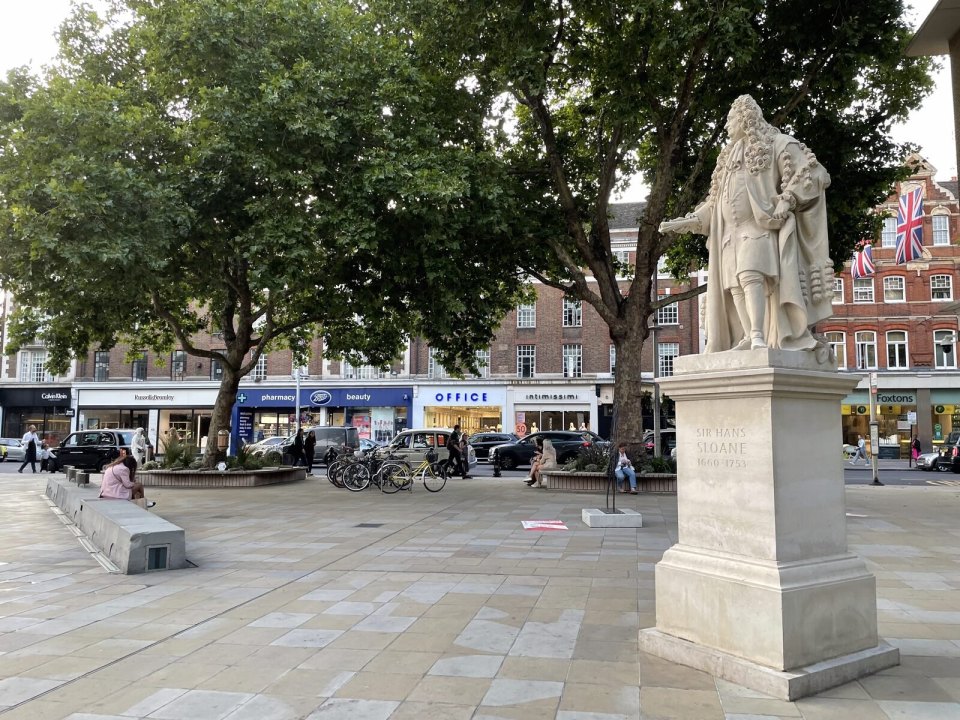
A pharmacy here is a “chemist”, and it has always combined medicines with looking after yourself. Back in the 19th century chemists made both remedies and creams, perfumes and powder. From that tradition grew the big chains — Boots (founded 1849) and Superdrug: the dispensary and prescriptions at the back, and nearer the door the cosmetics, perfume, hair products and those eyelashes. Boots even has its own cosmetics (the No7 brand). So “pharmacy plus beauty” in one shop is completely normal to Brits.
 ADV · A001ONLYWAY JEWELRY — gold, silver and platinumRings, chains, bracelets, earrings and pendants. Delivery across the UK.Advertise here
Why even an ordinary shop sells tablets
It comes down to how Britain splits medicines into three groups. POM (prescription only medicine) needs a prescription. P (pharmacy medicine) is sold without a prescription but only in a pharmacy with a pharmacist present. GSL (general sale list) medicines are free sale: small packs of paracetamol or ibuprofen can be sold by any shop, supermarket or petrol station. That is why headache tablets are even in a newsagent. For safety, general-sale pack sizes are limited (usually up to 16 tablets in an ordinary shop).
Why so many eyelashes and beauty spots
False lashes, lash extensions and nails are one of the fastest-growing corners of beauty fashion, so lash bars and beauty counters have sprung up on every corner. For the pharmacy chains, cosmetics are also profitable: the margin on beauty is higher than on medicines, and the footfall from people buying tablets and prescriptions picks up mascara too. That is how “health and beauty” stays together.
A useful bonus: the pharmacist instead of a GP
The medical half of the shop is not just shopping. Since 2024 England has run Pharmacy First: a pharmacist can assess and treat seven common complaints — sore throat, earache, sinusitis, shingles, impetigo, infected insect bites and urinary tract infection in women — free on the NHS and with no GP appointment. The scheme is expanding (migraine and acne are being added). So for a minor illness you can go to the pharmacist first: the advice is free and you avoid the wait for a GP.
So when you see lipstick next to cough syrup, it is not odd but the British “beauty chemist” tradition, plus sensible rules that let any shop sell simple painkillers. And the pharmacy near your home is your first, free port of call for minor illness.
Thanks for £1If this information was useful and came in time, press the heart. Payment goes through PayPal, with nothing to choose and nothing to fill in, and it pays for the newsroom.
- Jobs & Business Post Your Ad Free
- Travel Next-generation airport scanners in Britain: what changes and what can be searched
- Money Debt management plans in the UK: pay less, and never pay for advice
- Jobs & Business UK gender pay gap reporting: who must report and by when
- Money GBIS: free home insulation in Great Britain — who qualified
- Travel Urgent UK passport: the Premium and Fast Track services
- Life Pupil Premium: the extra funding English schools get for disadvantaged pupils