No more stamps: how the EU border works now
The Entry/Exit System became fully operational on 10 April 2026. Fingerprints and a facial image replaced the passport stamp, and a computer now counts your days. ETIAS is expected to follow later this year.
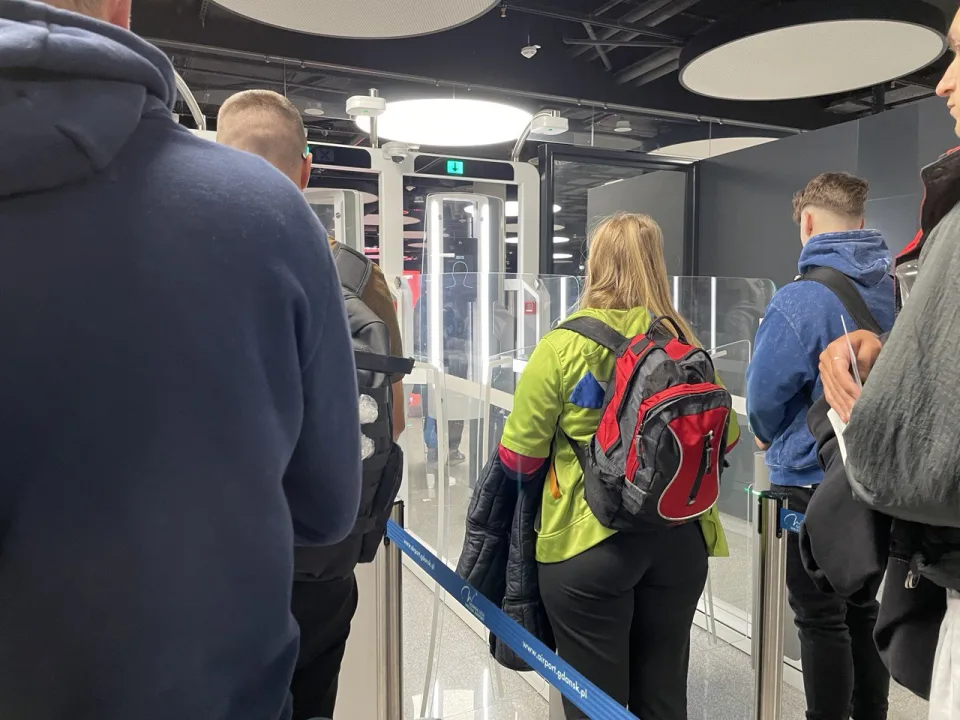
Fly from Britain to Spain, Germany or Poland and the border procedure is not the one you knew two years ago. The Entry/Exit System, or EES, began a phased introduction on 12 October 2025 and became fully operational on 10 April 2026. It applies in 29 European countries to third-country nationals — a category that, since Brexit, includes British passport holders.
What happens at the border
There is no stamp. On a first crossing the system creates an electronic record: travel document data, fingerprints and a facial image. Every entry and exit after that is registered automatically, and the system itself counts the days spent in the Schengen area.
 ONLYWAY NEWSLIVEMarkets · 17.10UK fuel prices: petrol 174.2p, diesel 199.1p — weekly reviewMoney · 17.10£50,000 a day: how London's richest residents spend their moneyJobs & Business · 17.10London Living Wage rises to £15.45 an hourMoney · 17.10Cold Weather Payment: £25 for each seven-day freeze from 1 November, paid automaticallyMoney · 16.10Junior ISA: £9,000 a year tax-free, and the child gets it at 18Immigration · 16.10Immigration Health Surcharge: £1,035 a year, £776 for students, 10 days to top upLife · 16.10What to do this weekend, 17-18 October: the film festival's last days, new releases and free exhibitionsTravel · 16.10Lost your passport abroad: an emergency travel document costs £125 and takes two daysMoney · 16.10Universal Credit advance: same-day answer, 24 months to repay, 3-month deferralLife · 16.10Penalty points: 12 in three years and the court can ban you for six monthsONLYWAY NEWS · appInstall the ONLYWAY NEWS appFresh UK news, classifieds, key dates and exchange rates on your home screen, one tap away. Free.NewsClassifiedsCalendarRates
In practice the first crossing takes longer, because the biometric registration has to be done. Later trips are quicker: the record already exists and does not need to be created again while it remains valid.
The 90-in-180 rule is now counted by machine
Visa-free stays in the Schengen area are limited to 90 days in any 180-day period. Until now a border officer counted the stamps, and mistakes in both directions were common. The count is now held in a database, and an overstay is visible immediately, at any border.
For anyone who travels to Europe often — for work, for family, for a house somewhere warm — the lesson is to keep your own record of days rather than rely on memory, particularly when the trips are short and frequent.
What comes next: ETIAS
The next stage is the European Travel Information and Authorisation System. ETIAS is not a visa but a travel authorisation obtained online before departure. Launch is expected in the last quarter of 2026, followed by two transition periods: for the first six months travel without it is still possible, and for a further six months there are concessions for first-time arrivals.
The Commission announces the exact date separately. Follow the official EU pages rather than intermediaries: paid services have already appeared around ETIAS charging for what an applicant can do themselves.
 ADV · A003We build websites for tradespeople and sole traders — £219Customers see your work and prices and message you straight away. Ready in 3 days, £219 instead of £438.Advertise here
What to check before you go
Passport validity. For the Schengen area the document must have been issued within the previous ten years on the date of entry, and remain valid for at least three months after the intended date of departure. Older British passports issued with extra months added can fail the first test even though they are still technically valid.
Then the usual: a return ticket, proof of accommodation, medical cover. A GHIC card covers necessary treatment in state healthcare systems across the EU, but it is not travel insurance and does not cover repatriation.
We do not arrange visas or give individual entry advice. Check the requirements for your destination and your passport on the official sites — they change more often than the articles written about them.
- Travel London Tube and TfL closures in October 2026: the Piccadilly line stops entirely at Halloween, and no Tube to Heathrow on 17–18 October
- Life A London concert cancelled back in March is still on sale for 4 October — and the full Russian-language listings for October
- Life A hundred students walked into an Edinburgh pub? What the viral Reel really shows
- Tax HMRC visits: how to check an officer's identity under the rules updated on 7 October
- Life Russian-language events in London: verified dates to December 2026
- Life GP and NHS dentist appointments in England: how long people really wait
- Life Primary school applications close on 15 January: only 85% of Inner London children get their first choice