Starting a business in England: five steps from idea to first customers
A company for £50 in a day, a state loan of up to £25,000 at 7.5% and taxes without panic. A step-by-step plan for going self-employed in Britain.
Thanks for £1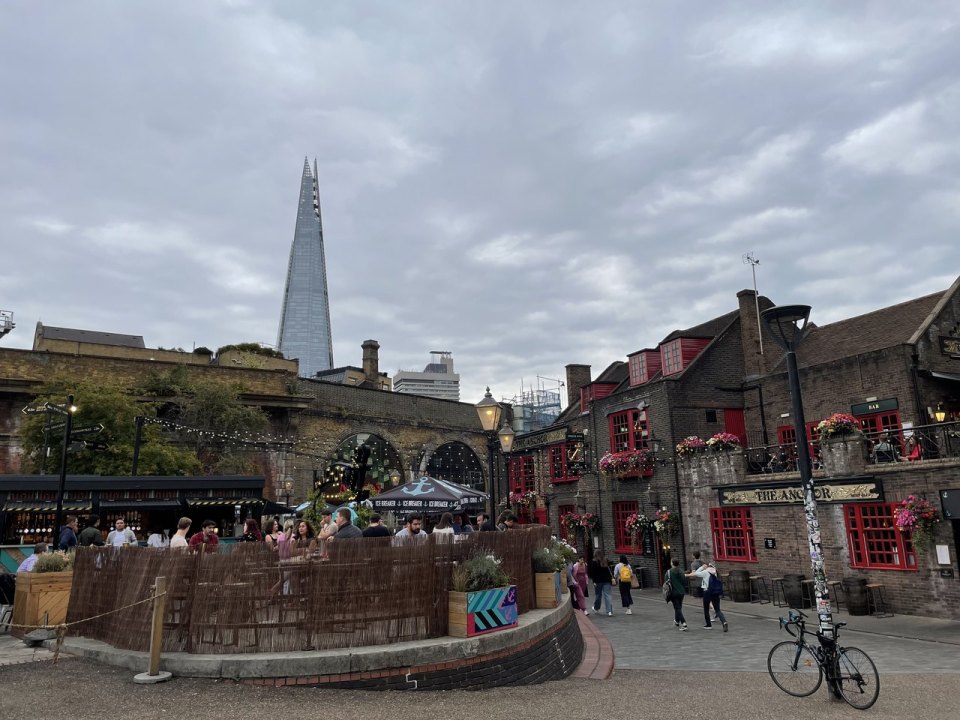
A business of your own in Britain is not a privilege of the chosen: a company is registered online in a day for £50, and hundreds of thousands of new businesses appear in the country every year. The question is not red tape — there is surprisingly little of it at the start — but the right order of steps. Here it is.
Step 1. The idea: sell what people already pay for
Among immigrants the businesses that reliably work are the low-threshold ones: cleaning, building and repairs, beauty, removals and a man with a van, food and baking, online services — from design to bookkeeping for your community. Do not invent demand: look at what people around you already pay for and offer it more reliably, faster or in the client's own language. Test the idea with small money: the first ten customers matter more than a logo and a website.
 ADV · A001ONLYWAY JEWELRY — gold, silver and platinumRings, chains, bracelets, earrings and pendants. Delivery across the UK.Advertise here
Step 2. The form: sole trader or a company
The simplest start is as a sole trader: registration with HMRC is free, and the reporting is one tax return a year. When turnover, partners or risks appear, people open a limited company: £50 and usually one day online — we covered it step by step here. A company protects your personal money and looks more solid to clients, but adds paperwork. Many start as a sole trader and switch to a Ltd once the business takes off.
Step 3. Money and taxes — no panic
A sole trader pays income tax on profit through Self Assessment. A company pays Corporation Tax: 19% on profit up to £50,000, rising towards 25% above that. VAT is not a start-up worry: registration becomes compulsory only after £90,000 of turnover in 12 months. Open a separate account for the business from day one and put aside 25–30% of revenue for taxes — that rule saves more businesses than any consultant.
Step 4. Start-up money and free help
The government Start Up Loan gives new businesses up to £25,000 at a fixed 7.5% a year for up to five years, with free mentoring thrown in — details and other grants here. London runs free support and advice programmes, and library business centres help too. There is no need to pay intermediaries for "help with opening a company" — you can do it all yourself.
Step 5. Do not forget the boring part
Food needs registration of a food business with your borough 28 days before you start, many services need public liability insurance, and handling other people's data needs ICO registration. That is an hour of work, not a barrier. Britain is a country where a pub can trade for four hundred years: starting here is not frightening — postponing is.
Thanks for £1If this information was useful and came in time, press the heart. Payment goes through PayPal, with nothing to choose and nothing to fill in, and it pays for the newsroom.
Check whether an employer can sponsor a work visa →
Search the Home Office register on our own site: whether the company holds a sponsor licence, and for which routes.

- Life Nemnogo Nervno’s Kateryna Gopenko plays London on 20 November
- Jobs & Business Post Your Ad Free
- Jobs & Business A ‘free office’ in London? Where you are welcome, with Wi-Fi and tea
- Books Book at bedtime: Pride and Prejudice and the price of a good match
- Life Russian-speaking doctors and clinics in London: eight addresses checked against the registers
- Immigration UK Standard Visitor Visa in 2026: Rules, Fees and Duration
- Travel Your first adult UK passport: £102, documents and timing in 2026