Opening the sport section: where the Premier League, the WSL and the cricket stand, and what you need to follow the conversation
Three rounds in: City and Arsenal on 9 points, promoted Hull City third. England took World Cup bronze beating France 6–4; Spain are champions. The Women’s Super League has grown to fourteen clubs. The cricket season ends on 27 September. How the English pyramid works, why 3pm Saturday matches are not televised, and what you can watch for nothing.
Thanks for £1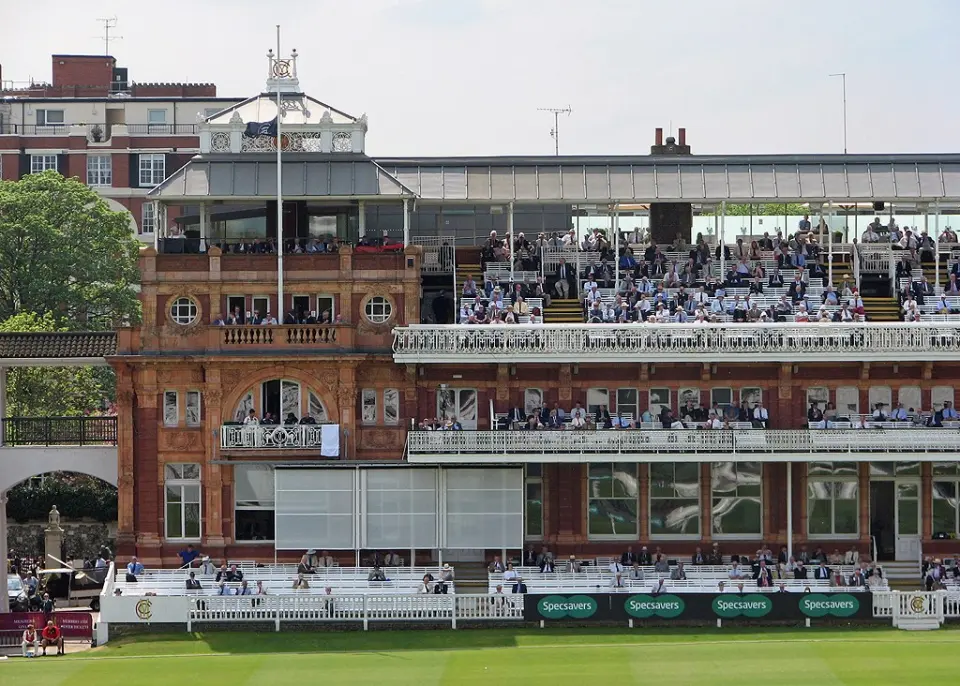
We are opening a permanent sport section. The reason is simple: in Britain sport is not a minority hobby but a common language. Monday at work is about the weekend, Saturday in the pub everyone faces the same way, and "who do you support?" is asked as casually as "where are you from". Not following it means dropping out of half the conversations.
There will be tables, fixtures, results and explanations — who plays whom, when, and why it matters. Starting with where everything stands right now.
 ONLYWAY NEWSLIVEMoney · 21.10Charging an EV at home: from 21 October no permission and up to £300 savedHousing · 21.10What a landlord can legally charge you: eight payments and no moreHousing · 20.10Social housing and domestic abuse: the abuser leaves, not the survivorJobs & Business · 20.10Job offer withdrawn: what you can actually claimHousing · 20.10Deposit withheld for wear and tear: where the line isMoney · 20.10Universal Credit: what you get, and why earning cuts it by 55pLife · 20.10A child passport in the UK: £66.50 online, £80 on paper, five years' validityLife · 20.10Health and your licence: what you must tell DVLA, and the cost of not tellingJobs & Business · 20.10Unpaid parental leave: 18 weeks per child and 4 weeks a yearLaw · 20.10Shop theft in England: seven years maximum, the truth about £200 and what the 2026 Act changesONLYWAY NEWS · appInstall the ONLYWAY NEWS appFresh UK news, classifieds, key dates and exchange rates on your home screen, one tap away. Free.NewsClassifiedsCalendarRates
What is happening in the Premier League?
The 2026/27 season has only just started. After three matches (data to 9 September) two sides are perfect: Manchester City and Arsenal on 9 points. Third are Hull City on 7 — the story of the opening weeks: a promoted side that was supposed to be fighting relegation instead beating clubs who have been there for years.
Then Chelsea on 6; Brentford, Everton and Leeds on 5; Brighton, Manchester United and Sunderland on 4.
Three games is statistically nothing, and Britain knows it — the saying is that the table only starts meaning something after ten. United on four points will still take the jokes.
How does the English football pyramid work?
For anyone used to closed leagues, the key difference is that you can go down. The bottom three of the Premier League drop into the Championship, the top of the Championship comes up, and the same happens all the way down the country to village pitches. A club from a small town can in principle climb to the top, which is why a relegation match in May is watched as tensely as a final.
The same logic produces the FA Cup, where an eighth-tier side plays the champions over one match with no second chance. It is the oldest football competition in the world, and every few years it produces a story people talk about for a year.
 ADV · A003We build websites for tradespeople and sole traders — £219Customers see your work and prices and message you straight away. Ready in 3 days, £219 instead of £438.Advertise here
How did the national team do?
England reached the semi-finals in the summer of 2026 and beat France in the third-place match, 6–4, on 18 July. Ten goals in a bronze-medal game happens roughly once a generation.
Spain were champions, beating Argentina 1–0 in the final on 19 July.
Third is England's best men's finish since winning in 1966 — fourth in 1990, fourth again in 2018. For once, the line about losing on penalties had to be put away.
What is new in women's football?
The Women's Super League is the fastest-growing league in the country, and that is not marketing. The 2026/27 season began on 4 September and runs to 23 May 2027, with the number of clubs up from twelve to fourteen: Birmingham City (WSL2 champions), Crystal Palace and Charlton Athletic came up.
The defending champions are Manchester City. A new trophy is being introduced this season.
If you have never watched the women's game, watch one WSL match before forming a view: the standard has changed radically in five years, and since the Lionesses won a home Euros in 2022 it has stopped being niche. Tickets also cost a fraction of the men's — for a family with children that is the difference between expensive and normal.
When does the cricket season end?
Cricket is the second thing to understand about British sport and the first that baffles newcomers. Briefly.
There are three different games under one name:
- First-class cricket — four days a match, five for internationals (a Test). Yes, five days, and it can still end in a draw. This is the connoisseur's version and what people mean when they talk about cricket seriously.
- T20 — three hours, closer to baseball in tempo, with music and fireworks.
- The Hundred — a format invented here, a hundred balls a side, shorter again and built deliberately for newcomers and families. Shown free on the BBC. If you want to try cricket, start there.
The domestic competition is the County Championship: eighteen counties, a first division of ten, running from 3 April to 27 September. Nottinghamshire are the defending champions, but this year is tighter than usual — by midsummer Essex, Sussex and Somerset were within a few points of each other.
And the word to know: the Ashes, England against Australia, contested since 1882. The trophy is a tiny urn. When it is being played for, the country rearranges its plans.
What else is in the autumn calendar?
Rugby. Internationals in the autumn, the Six Nations in February and March (England, Scotland, Wales, Ireland, France, Italy). On a matchday, Wales looks like nowhere else.
Tennis. Wimbledon, late June into July. The only grass Grand Slam and the only one you can still get into by standing in a physical queue.
Racing. The Grand National at Aintree in April — the day the entire country has a bet, including people who never watch racing. Royal Ascot in June is about the hats.
Rowing. The Boat Race, Oxford against Cambridge on the Thames at the end of March, free from the bank.
How can you watch it for free?
By law certain events are "listed" and must be available free to air: the football World Cup and Euros, the FA Cup final, the Wimbledon finals, the Grand National, the Olympics. The BBC and ITV carry them — free, with only a TV licence needed for live broadcast.
Match of the Day on the BBC — the Saturday-night Premier League highlights, free and without a subscription. For a great many people in Britain, that simply is how football is watched.
Full matches are paid (Sky and TNT), but remember the three o'clock rule: games kicking off at 3pm on a Saturday are not broadcast in Britain at all. Not for money, not for free — it protects attendances lower down. If you want to see one, go to the ground.
The Hundred and part of the women's game are free on the BBC. Radio commentary on BBC Radio 5 Live and talkSPORT is always free.
What will this section cover next?
Premier League and WSL tables, the coming fixtures, the cricket standings, the rugby and major-event calendar, the rules explained for people starting from zero, and the traditions — why there is football all day on Boxing Day, where the habit of supporting the club your grandfather was born near comes from, and what a "derby" means.
If you follow a particular club or sport and would like us to cover it regularly, write to us. The section is new and we are still shaping it around the reader.
Read next: Rybakina beats Sabalenka in the US Open final and becomes… · Premier League: Arsenal stay perfect as Liverpool and Chelsea…
Thanks for £1If this information was useful and came in time, press the heart. Payment goes through PayPal, with nothing to choose and nothing to fill in, and it pays for the newsroom.
- Housing Drought: minister lets the Agency take more water to avoid rota cuts
- Travel Jubilee line part suspended to Stanmore after fire alert
- Life A London concert cancelled back in March is still on sale for 4 October — and the full Russian-language listings for October
- Life Russian-language events in London: verified dates to December 2026
- Travel London Tube and TfL closures in October 2026: the Piccadilly line stops entirely at Halloween, and no Tube to Heathrow on 17–18 October
- Jobs & Business From 1 October, right to work checks reach couriers, subcontractors and platform workers
- Money Section 75 and chargeback: how to get your money back in the UK