UK vegetables: price and market
A $9.9bn market, half imported. Field prices vs shelf prices, and where vegetables are cheaper.
Thanks for £1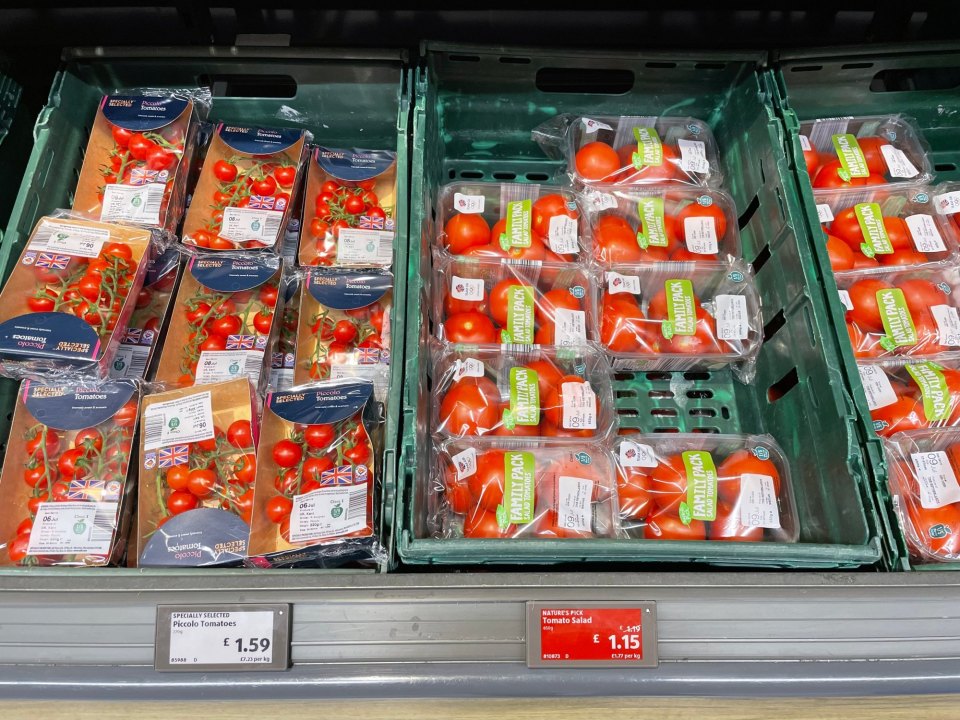
Food is fuel for the body, and vegetables are also a big market, with money moving at every stage: the field, imports, wholesale, the shop shelf. Here it is in business terms: who grows vegetables in Britain, where the rest comes from, what a kilo costs in the field and on the shelf, when to buy cheaper and where vegetables are cheapest. The UK vegetable market is valued at about 9.9 billion dollars.
Who grows vegetables in Britain?
The country grows about half its vegetables itself — fields in Lincolnshire, Kent, East Anglia and Scotland. Britain is almost self-sufficient in carrots, potatoes, cabbage, onions and root vegetables. It is weaker on warm-weather crops: salad tomatoes, peppers and cucumbers are grown in glasshouses, and in winter there are not enough home-grown ones. You can see it on the labels — "UK, Kent" next to "The Netherlands".
Where does the rest come from?
Vegetable imports run to 2.3 million tonnes a year, worth 4.1 billion dollars. Three countries supply 80% of the volume: Spain — 980,000 tonnes ($1.3bn), the Netherlands — 516,000 tonnes, Morocco — 186,000 tonnes. In winter almost all salad and tomatoes come from Spain and Morocco, which is why they cost more then: longer transport and heated glasshouses all go into the price.
 ADV · A001ONLYWAY JEWELRY — gold, silver and platinumRings, chains, bracelets, earrings and pendants. Delivery across the UK.Advertise here
Field price and shelf price
The key thing about the vegetable business: the farmer gets pennies, while retail and middlemen take most of the price. An example from a supply-chain study: a kilo of apples on the shelf at £2.20 leaves the grower about 3p profit (roughly 1%), the rest goes down the chain. On carrots the grower's profit is almost nil. Here are real prices from British shop shelves:
| Item | Price | Per kg |
|---|---|---|
| Carrots, 500g | 39p | 78p |
| Maris Piper potatoes, 2.5kg | £1.18 | 47p |
| White potatoes, 2.5kg | £1.19 | 48p |
| Garlic, a bulb | 39p | — |
| White cabbage | 79p | — |
| Salad tomatoes, 650g | £1.15 | £1.77 |
| Piccolo tomatoes, 220g | £1.59 | £7.23 |
When is it cheaper to buy?
The rule is simple: seasonal and local is cheaper. British tomatoes, courgettes, new potatoes and cabbage are cheapest in summer and early autumn, when the home crop is in. In winter the same vegetables are imported and dearer. Root vegetables — carrots, potatoes, onions — store well and stay cheap all year. To save money, buy what is growing in Britain now, not what was flown in from the other hemisphere.
The market, turnover and subsidies
The market is large but barely growing: 9.2 million tonnes of vegetables a year, about 9.9 billion dollars, forecast to grow just +0.2% a year. Yet vegetable growing gets almost no direct subsidy — the old EU single payments are being replaced by schemes that pay for environmental care (ELMS/SFI), and there is little support for vegetables themselves. Margins are thin, so some farmers leave the business and reliance on imports grows.
Where to buy the cheapest vegetables?
Vegetables are cheapest at the hard discounters — Aldi and Lidl; there carrots are 39p for 500g, potatoes about 47p a kilo, garlic 39p a bulb. Next come markets and greengrocers near closing, when they cut prices; "wonky" and loose unpackaged veg; and local veg boxes straight from the farm. And you can find who sells vegetables near you, for free, on our classifieds board.
Thanks for £1If this information was useful and came in time, press the heart. Payment goes through PayPal, with nothing to choose and nothing to fill in, and it pays for the newsroom.
- Life Nemnogo Nervno’s Kateryna Gopenko plays London on 20 November
- Tax Self Assessment: 31 Jan deadline
- Money Do marketplace warehouses give goods away free? The truth about unclaimed parcels
- Life Russian-speaking doctors and clinics in London: eight addresses checked against the registers
- Life Royal week: Prince George starts at Eton, Prince William at King Harald's funeral
- Immigration UK Standard Visitor Visa in 2026: Rules, Fees and Duration
- Travel GHIC card: state healthcare in Europe