Whooping cough vaccine in pregnancy in the UK: why it is given and when
The NHS offers pregnant women a whooping cough vaccine — usually around 20 weeks. It protects the newborn in the first weeks of life, before the baby's own jabs begin.
Thanks for £1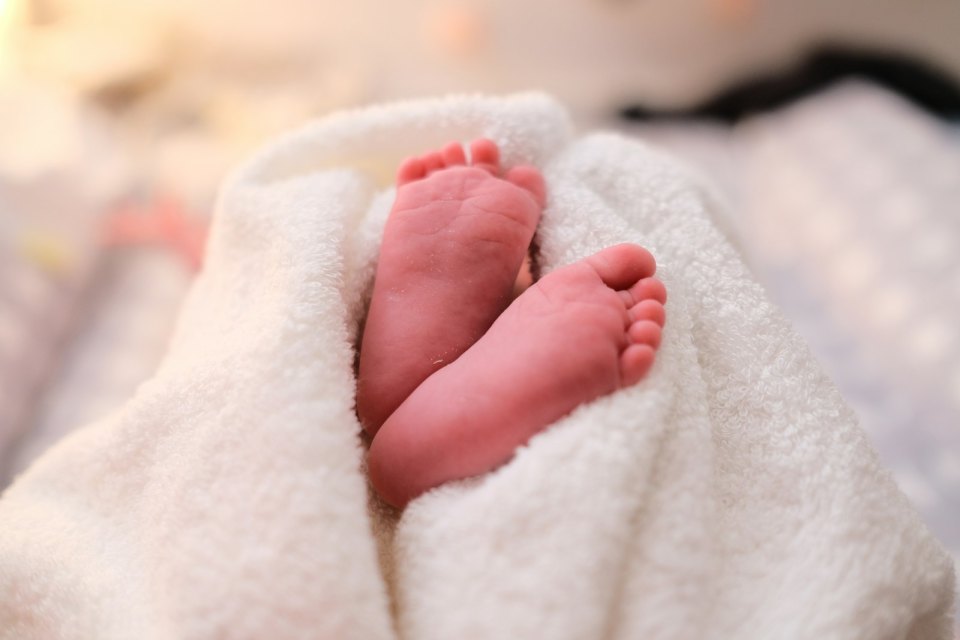
Whooping cough is a dangerous infection for babies, causing severe coughing fits. It is especially dangerous for newborns, and a baby's own vaccinations only start at 8 weeks. To protect the baby from day one, the NHS offers expectant mothers a whooping cough vaccine. Here is when it is given and why it matters.
Why is whooping cough dangerous for a baby?
In adults and older children whooping cough is often a long, exhausting cough, but for infants it is genuinely dangerous. In the very youngest the coughing fits can be so severe that the baby struggles to breathe and feed, and sometimes there are pauses in breathing and a hospital stay. That is why protection is built in advance, before birth — so the baby is not left defenceless in the first weeks.
 ADV · A001ONLYWAY JEWELRY — gold, silver and platinumRings, chains, bracelets, earrings and pendants. Delivery across the UK.Advertise here
Who is offered it, and when?
The whooping cough vaccine is offered to pregnant women, usually around 20 weeks of pregnancy. If you are already at that stage and have not been offered it, it is worth reminding your GP surgery or midwife.
How does the mother's jab protect the baby?
After the jab the mother's body makes protective antibodies, some of which pass to the unborn baby. This leaves the baby protected against whooping cough in the first weeks of life — the most vulnerable period, before its own vaccinations have begun.
When do the baby's own jabs start?
The baby's course comes as part of the 6-in-1 vaccine (which protects against six infections, including whooping cough). It is given at 8 weeks, 12 weeks and 16 weeks, with a further dose at 18 months. Later, at about 3 years 4 months, the child has the 4-in-1 pre-school booster. The mother's jab bridges the gap until the first of these doses.
Is it safe in pregnancy?
The vaccines the NHS offers in pregnancy are recommended precisely because the benefit to mother and baby outweighs the risks, and they have been given to expectant mothers for years. As with any vaccine, mild and short-lived reactions are possible, such as soreness at the injection site. If you have concerns or health conditions, discuss them with your midwife or doctor.
Is it free?
Yes — vaccines in pregnancy on the NHS are free, as part of normal antenatal care. There is nothing extra to pay for the whooping cough jab. You can have it where you receive your antenatal care — at the surgery or with your midwife.
What should mums-to-be remember?
Whooping cough is most dangerous for the very youngest, and the mother's jab is a simple way to protect the baby in the weeks before it is vaccinated itself. If you are around 20 weeks, check with your midwife or doctor whether you have been offered it, and do not put it off: the earlier within the recommended window, the better for the baby.
Thanks for £1If this information was useful and came in time, press the heart. Payment goes through PayPal, with nothing to choose and nothing to fill in, and it pays for the newsroom.
- Jobs & Business Post Your Ad Free
- Life Russian-language events in London: verified dates to December 2026
- Life Russian-speaking doctors and clinics in London: eight addresses checked against the registers
- Life Where to buy the food you grew up with in London: Russian, Ukrainian, Polish and Baltic shops
- Housing UK rents hit £1,400 a month, £2,332 in London — £79 a month more than a year ago
- Travel Peak and off-peak fares in London 2026: when travel is cheaper
- Money The Autumn Budget lands on 28 October: what is already confirmed