Free clubs in 400 English schools: £22.5m for sport, music and debating — how to check if your school is in
Over 400 secondary schools in disadvantaged areas will get co-ordinators and funding for free extracurricular activities under the £22.5m Enrichment Expansion programme. What appears on timetables, why the state is paying for clubs, and what to ask your school now.
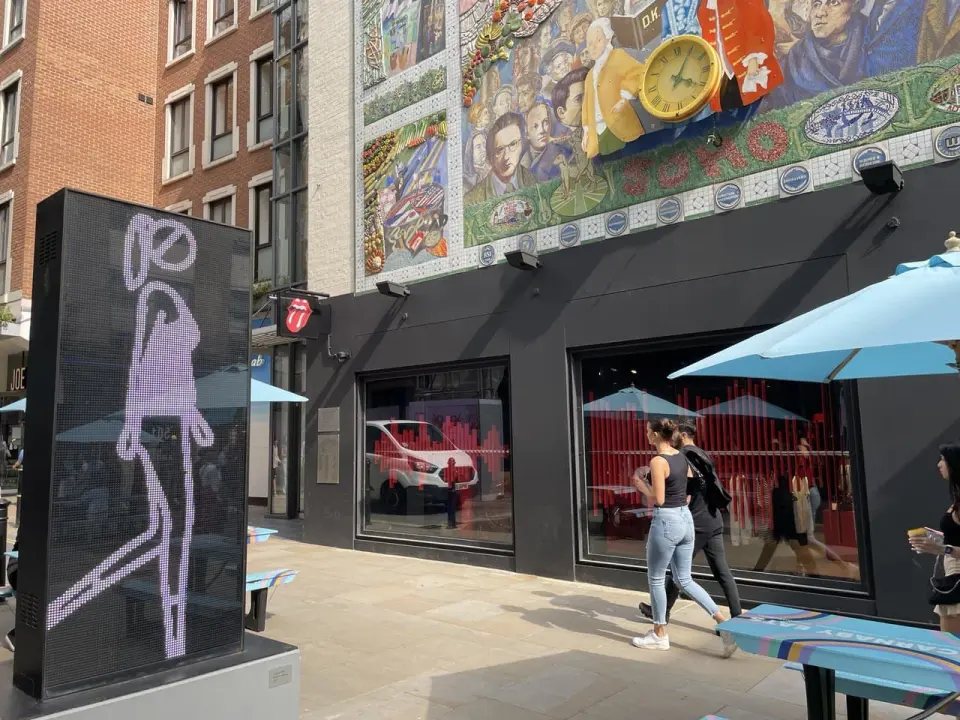
More than 400 secondary schools in England will get money and hands-on support for free extracurricular activities — from football teams and music groups to engineering clubs and debating societies. The £22.5 million Enrichment Expansion programme was announced by DCMS together with the Department for Education on 18 September and targets schools in disadvantaged areas.
It is part of the same Youth Matters strategy that this week produced 1,000 youth workers and a £450m fund. The stated goal: by 2035, halve the gap in access to enriching activities between disadvantaged children and their peers.
 ONLYWAY NEWSLIVELife · 16.10Penalty points: 12 in three years and the court can ban you for six monthsHousing · 16.10EPC explained: ratings A to G, valid 10 years, and fines for letting below EHousing · 16.10Right to Buy: a discount of up to 70% — but only £16,000 in most of LondonTravel · 16.10Overseas residents made an estimated 40.8 million visits to the UK in 2025, ONS saysHousing · 16.10Building control gets dearer in England: councils move to full cost recovery on 6 NovemberMarkets · 16.10CMA examines Microsoft’s business software ecosystem: firms can respond by 13 NovemberLife · 16.10Ofsted pilots independent complaint reviews that can set aside a school's gradesHousing · 15.10Short on rent: what replaced Discretionary Housing Payments in England on 1 April 2026Money · 15.10Gaps in your National Insurance record: £18.40 a week and only six years backLife · 15.10Free UK GHIC: state healthcare in Europe and 15 working days for deliveryONLYWAY NEWS · appInstall the ONLYWAY NEWS appFresh UK news, classifieds, key dates and exchange rates on your home screen, one tap away. Free.NewsClassifiedsCalendarRates
What exactly do schools get?
Not just a cheque. The programme is delivered by the Youth Sport Trust with national partners: dedicated Enrichment Co-ordinators will manage clusters of local schools, find the gaps in their current offer, draw up enrichment plans and bring in local partners. Activities run both during the school day and after lessons: sport, music, debating, volunteering, engineering clubs, outdoor learning.
Why is the state paying for clubs?
The State of the Nation survey of more than 14,000 young people found that teenagers want safe spaces, trusted adults and accessible activities. Those who take part least are the most likely to end up NEET — not in education, employment or training. Schools Minister Georgia Gould puts it plainly: education is more than the classroom — it is “the football team, the school play, the debate competition”.
Will my school be included?
The list is built on need — the programme takes the schools facing the greatest challenges. If your school is in a less well-off area, it is worth asking the office whether it is part of Enrichment Expansion and what will appear on the timetable. The benchmark for every school in the country is the Enrichment Benchmarks — this year’s official guidance on the opportunities every child should have: you can point to it in a conversation with the school even if it is not in the programme.
What can you do right now?
Ask the school about clubs this academic year — plenty of free places sit empty simply because nobody knows about them. Check what you are entitled to nearby: free school meals go unclaimed by many who qualify. And watch the £450m Youth Matters Fund — it opens for applications soon, and free activities outside school will grow too.
- Travel London Tube and TfL closures in October 2026: the Piccadilly line stops entirely at Halloween, and no Tube to Heathrow on 17–18 October
- Life Free English with a native speaker: how Russian speakers can find a language partner
- Life A London concert cancelled back in March is still on sale for 4 October — and the full Russian-language listings for October
- Life Primary school applications close on 15 January: only 85% of Inner London children get their first choice
- Life A hundred students walked into an Edinburgh pub? What the viral Reel really shows
- Tax HMRC visits: how to check an officer's identity under the rules updated on 7 October
- Life Russian-language events in London: verified dates to December 2026