The lottery business: who wins
£7.9bn a year in sales, players lose £3.5bn. Who runs it, who can sell, and what you can win.
Thanks for £1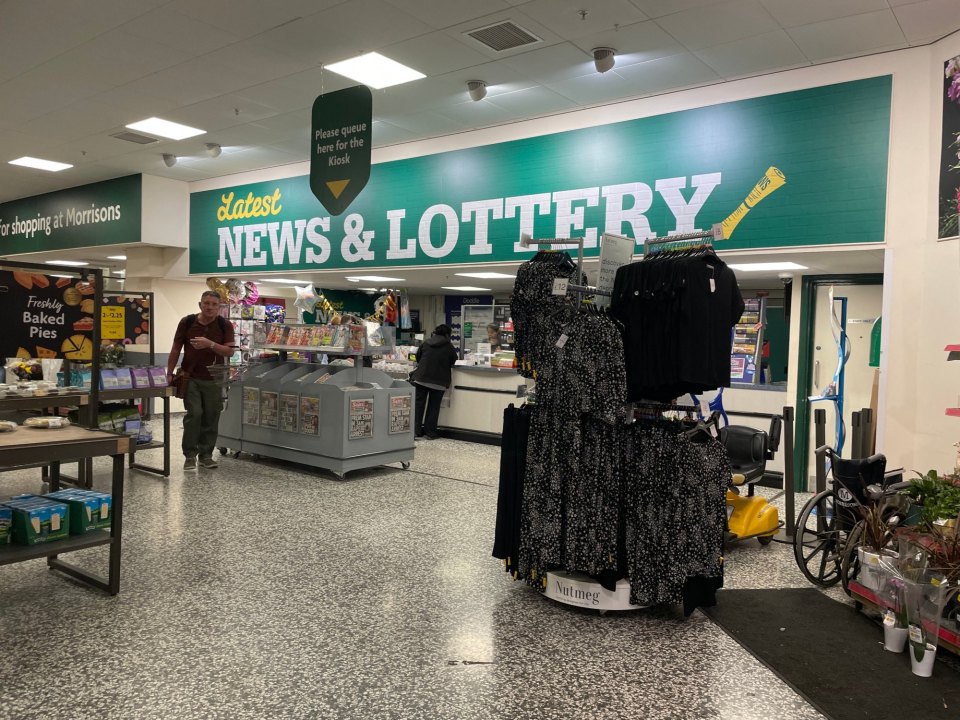
The red "News & Lottery" kiosk stands in almost every supermarket and petrol station. Here is the lottery business in plain terms: who runs it, who can sell and resell tickets, what it costs and what you can win, and an honest comparison of winnings against losses over a year. All the figures come from the official Gambling Commission statistics.
Who runs the lottery?
The National Lottery in Britain is one operator holding a state licence. Since February 2024 it has been run by the Czech group Allwyn, which replaced Camelot, the holder since 1994. Everything is overseen by the Gambling Commission. Separately there are society (charity) lotteries — the People's Postcode Lottery and the Health Lottery — with their own rules and limits.
Who can sell and resell?
To sell tickets, a shop applies to the operator Allwyn and gets a terminal. You can only sell and buy tickets from age 18 — the threshold was raised in October 2021. The shop takes about 3% commission on sales (retailers received £240.5m over the year) plus a bonus for selling a big winner. But you cannot start your own national lottery — there is a single licence for the whole country; reselling tickets at a mark-up is also banned. The only legal option is to run a charity lottery, under a licence or registration with the Commission.
 ADV · A001ONLYWAY JEWELRY — gold, silver and platinumRings, chains, bracelets, earrings and pendants. Delivery across the UK.Advertise here
What it costs and what you can win
A Lotto ticket is £2 a line, EuroMillions £2.50, scratchcards £1 to £10. The prizes are huge but the odds are slim: the Lotto jackpot is roughly a 1 in 45 million chance, EuroMillions 1 in 139 million. The EuroMillions jackpot is capped at about £208m, the Lotto rolls up to about £22m before it must be won. Your chance of the jackpot is lower than being struck by lightning.
Where each pound goes
Of every £1 spent on the lottery, the money is split like this:
| Where it goes | Per £1 | Per year |
|---|---|---|
| Prizes to players | 55p | £4.35bn |
| Good causes | 23p | £1.81bn |
| Tax to government | 12p | £0.94bn |
| Operator (costs and profit) | 7p | £0.54bn |
| The selling shop | 3p | £0.24bn |
Winnings versus losses over a year
Here is the honest maths. In 2024–25 Britons bought £7.89bn of lottery tickets and got £4.35bn back in prizes. The difference — about £3.5bn — is players' net loss over the year. Part of that money does good: £1.81bn went to sport, culture and charity, and another £0.94bn is tax to the Treasury. But for the player the rule is simple: as a group, ticket buyers hand over far more than they win.
Who plays and who comes out ahead?
About half of British adults play, at least occasionally. Over the year everyone comes out ahead except the average player: the government collected nearly £1bn in tax, charity funds £1.81bn, operator Allwyn £0.54bn in costs and profit, shops £0.24bn in commission. The lottery is entertainment and a way to help good projects, not a way to earn. The sensible approach is to play small amounts and treat it as spending, not an investment.
Thanks for £1If this information was useful and came in time, press the heart. Payment goes through PayPal, with nothing to choose and nothing to fill in, and it pays for the newsroom.
- Life Nemnogo Nervno’s Kateryna Gopenko plays London on 20 November
- Tax Self Assessment: 31 Jan deadline
- Money Do marketplace warehouses give goods away free? The truth about unclaimed parcels
- Life Russian-speaking doctors and clinics in London: eight addresses checked against the registers
- Life Royal week: Prince George starts at Eton, Prince William at King Harald's funeral
- Immigration UK Standard Visitor Visa in 2026: Rules, Fees and Duration
- Travel GHIC card: state healthcare in Europe