What a small flat costs to buy
The average UK flat is £193,000, the cheapest one-bed from £40,000, and a London one-bed about £440,000.
Thanks for £1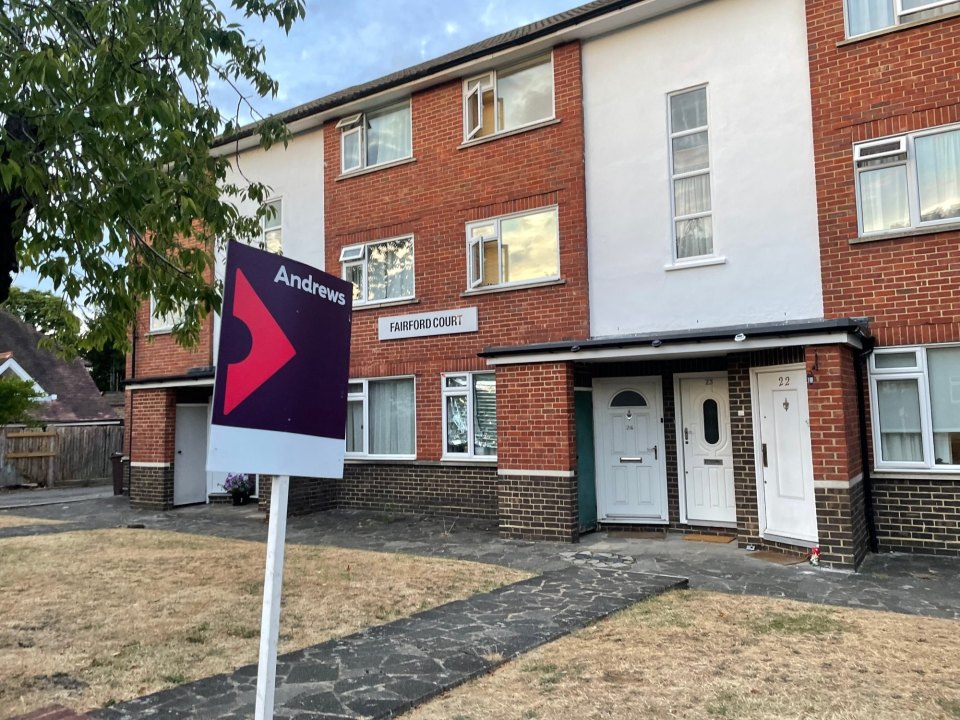
Estate agents' "SOLD" and "Let By" boards by a front door are a familiar sight on a British street. Behind them is the question that matters to every newcomer: how much money do you really need to buy the smallest one-bed flat? Here it is in business terms, with the prices: what a flat costs on average, where it is cheapest, what the cheapest one-bed costs, and who earns from the deal.
What does a flat cost on average?
In 2026 the average flat in Britain costs about £193,000 — 40% cheaper than the average house (£327,000). The gap between flats and houses is now the widest in 30 years, and for a first home that is good news: a flat is the most affordable way onto the ladder. But the "average" is misleading: the region decides everything.
Where are flats cheapest?
The spread across the country is huge. The cheapest flats are in the North East of England: the average there is about £86,000. Then come Yorkshire (£104,000), the East Midlands (£113,000), Wales (£116,000) and Scotland (£118,000). For the price of a share of a London flat you can buy a whole flat in these regions, sometimes two. The main question is whether there is work there.
 ADV · A003We build websites for tradespeople and sole traders — £219Customers see your work and prices and message you straight away. Ready in 3 days, £219 instead of £438.Advertise here
What does the smallest one-bed cost?
Here is the direct answer. The cheapest one-bed flats and studios in affordable towns of northern England, Scotland and Wales really do sell for £40,000–70,000 — often ex-council flats or studios above shops. Nationally the average one-bed costs about £150,000. That is the absolute entry point to owning a home in Britain — there is almost nothing cheaper.
And in London?
London is a separate planet. The average one-bed flat here costs about £440,000. Even in the cheapest boroughs (Bexley, Croydon, Barking and Dagenham) it is hard to find a studio or small one-bed under £200,000–250,000. That is why many buy their first home not in London itself but in the suburbs and commuter towns along the railway lines.
How much of your own money on top?
The price on the board is not everything. You usually need a 10% deposit (though 5% mortgages exist): for a £150,000 flat that is £15,000. Plus stamp duty: first-time buyers pay none up to £300,000, so in cheap regions it is zero, while in London a dear flat soon incurs it. Add a solicitor and a survey — another £1,500–3,000. And for flats it matters: almost all are leasehold in Britain, meaning an annual service charge, sometimes £1,000–3,000 a year.
Who earns from the deal?
Every board is someone's business. The estate agent takes a commission, usually 1–2% of the price (the seller pays) — the photo shows several at once: Andrews, Burn and Warne, goodfellows. Then the bank earns (mortgage interest over 25–30 years), solicitors, surveyors and the state (that stamp duty). A tip for a newcomer: the cheapest way in is a studio or ex-council flat in an affordable region, but always check the leasehold and the service charge — that is what turns a "cheap" flat into a dear one.
Thanks for £1If this information was useful and came in time, press the heart. Payment goes through PayPal, with nothing to choose and nothing to fill in, and it pays for the newsroom.
- Tax Self Assessment: 31 Jan deadline
- Money Do marketplace warehouses give goods away free? The truth about unclaimed parcels
- Law Yellow and red kerb lines: UK rules
- Travel Next-generation airport scanners in Britain: what changes and what can be searched
- Life Royal week: Prince George starts at Eton, Prince William at King Harald's funeral
- Immigration UK Standard Visitor Visa in 2026: Rules, Fees and Duration