London taxis: cab vs minicab
A black cab costs ~£70,000 and drivers learn the streets for 3–4 years. 13,700 cabs vs 100,000+ minicabs.
Thanks for £1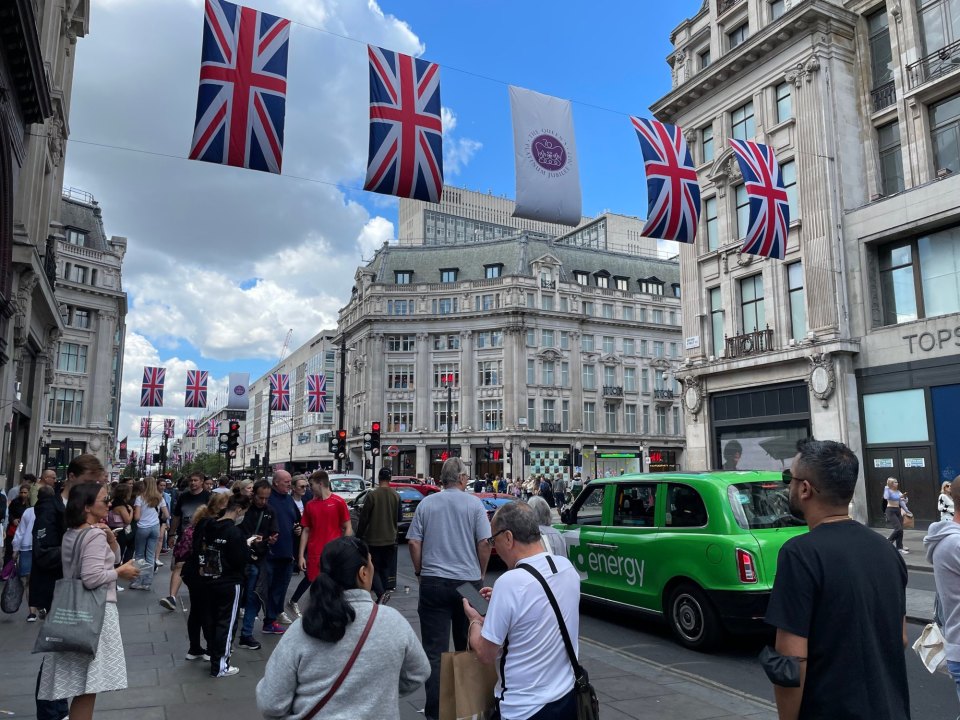
The black cab is as much a symbol of London as the red bus; in the photo it is already green and electric. Behind the familiar shape sits a whole economy: expensive vehicles, a years-long exam for drivers and fierce competition with Uber. Here it is in business terms, with the numbers: what a cab costs, who makes it, how many drivers there are, and what is better for a newcomer.
How is a cab different from a minicab or Uber?
They are two different markets. A black cab can be hailed on the street or taken from a rank, runs on a TfL-set meter, and the driver has passed the famous "Knowledge" exam. A minicab (private hire) means Uber, Bolt and local firms: booking in advance through an app only, with the price quoted up front. You cannot legally hail a minicab on the street. For short central trips a cab is often faster; for long booked journeys Uber is usually cheaper.
What does the cab itself cost, and who makes it?
A new electric LEVC TX cab costs about £70,000 — more than many ordinary cars. It is made by LEVC at a plant in Coventry, owned by the Chinese group Geely. The electric cab does about 100 km on the battery plus a petrol generator for range. More than half of London's cabs are already electric. For a driver it is a big investment: the vehicle is often bought on finance or rented, so a large slice of takings goes on paying for it.
 ADV · A001ONLYWAY JEWELRY — gold, silver and platinumRings, chains, bracelets, earrings and pendants. Delivery across the UK.Advertise here
What is The Knowledge?
It is the main barrier of the trade. To get a cabbie's licence you must learn London's streets by heart within six miles of Charing Cross: about 25,000 streets and 320 core routes. Preparation takes on average 3–4 years, and the exam is reckoned one of the hardest in the world. But it is also protection: it is precisely because of this years-long threshold that cabbies are few, and by TfL data their earnings are on average higher than minicab drivers'.
How many drivers, and where is the market going?
The balance is harsh. London has about 13,700 black cabs — and the number is falling (down 7% in two years, declining since 2015). Meanwhile there are about 93,300 minicabs and more than 104,000 private-hire drivers. So for every cabbie there are roughly seven Uber and Bolt drivers. The main beneficiary today is the aggregator apps: they take a commission (around 25% at Uber) on every ride from that huge minicab fleet.
Can a newcomer earn from this?
Yes, but by different paths. Becoming a cabbie means 3–4 years on The Knowledge and £70,000 on a vehicle, but higher status and pay. A minicab is a far more accessible start: a private-hire licence and a suitable car, and you can go out on Uber or Bolt. That is why there are over 100,000 minicab drivers — a realistic first job for a newcomer with a driving licence. But the app's commission, fuel, insurance and car rental come straight out of your earnings.
What should a passenger choose?
A short central trip where speed matters and the premium is worth it — a black cab (minimum fare about £3.80, on the meter, and it can use bus lanes). A long booked journey, an airport run, a late-night ride — usually cheaper by Uber or Bolt, where the price is shown in advance. A tip: compare in the app before you get in, and in a cash cab always ask the driver for a rough total first.
Thanks for £1If this information was useful and came in time, press the heart. Payment goes through PayPal, with nothing to choose and nothing to fill in, and it pays for the newsroom.
- Tax Self Assessment: 31 Jan deadline
- Money Do marketplace warehouses give goods away free? The truth about unclaimed parcels
- Law Yellow and red kerb lines: UK rules
- Life Royal week: Prince George starts at Eton, Prince William at King Harald's funeral
- Immigration UK Standard Visitor Visa in 2026: Rules, Fees and Duration
- Immigration UK visitor visa step by step 2026: timing, cost, biometrics and how long it takes
- Life Use by vs best before dates