London Chinatown: who owns it
80+ restaurants, up to 700,000 at New Year — but a listed firm with a £5bn portfolio owns the estate.
Thanks for £1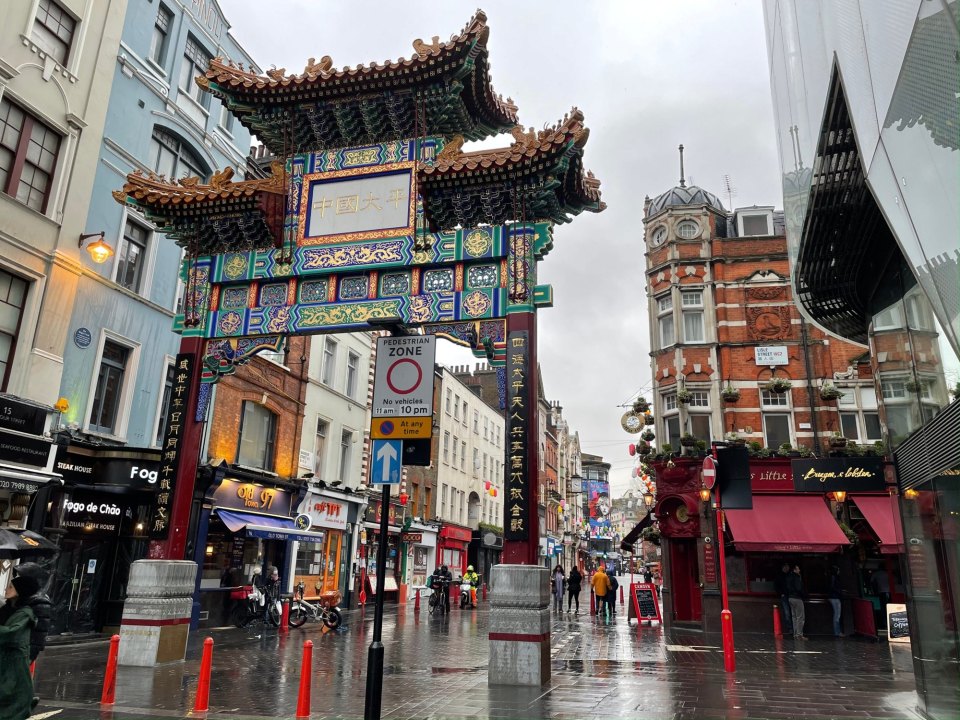
Painted gates with dragons, red lanterns and the smell of Peking duck — this is Chinatown in central London, the largest in Europe: more than 80 restaurants and shops on a few pedestrian streets. But behind the tourist picture is big business: the quarter is owned by a listed company with a property portfolio of about £5bn. Here it is in business terms, with the numbers and the money.
Where did Chinatown come from?
London's first Chinese quarter was not here but in Limehouse in the east, where Chinese sailors settled by the docks. After the Second World War, with the taste for Chinese food and arrivals from Hong Kong, restaurants moved to the centre: the first opened on Lisle Street in the 1950s. The present Chinatown around Gerrard Street took shape by the 1970s — in half a century it grew from a few cafés into a quarter turning over tens of millions of pounds in rent a year.
How much is there, and what does it cost to eat?
More than 80 restaurants, plus bakeries, Asian supermarkets and bookshops. The painted gate on Wardour Street opened in 2016, assembled by Chinese craftsmen in Qing-dynasty style. On money: a basket of dim sum is £5–7, rice with duck or char siu pork £9–12, bubble tea about £5.50. The saving strategy works: a lunch set is £12–15, while ordering à la carte in the evening easily reaches £30–40 a head. Walking under the gate and strolling about is free.
 ADV · A003We build websites for tradespeople and sole traders — £219Customers see your work and prices and message you straight away. Ready in 3 days, £219 instead of £438.Advertise here
Who owns it and who is the main beneficiary?
Most of Chinatown's buildings belong not to the restaurateurs but to Shaftesbury Capital — a large listed property company (a REIT, in the FTSE 250). It also owns Carnaby, Covent Garden and a big part of Soho: its whole West End portfolio is about £5bn and 2.8 million sq ft of space, with occupancy around 97%. The company was formed by a £5bn merger of Shaftesbury and Capco. The conclusion is simple: the restaurants rent their premises from a big landlord, and the main beneficiary of the estate is that public company and its shareholders.
Who else earns?
Many live off Chinatown: family restaurateurs (often third-generation), food suppliers, the tourism trade and Westminster council, which collects business rates — the tax on commercial property that in central London runs at about 50p for every pound of rateable value. But there is tension: central rent is expensive and rising, and small places find it ever harder — some long-standing restaurants have closed in recent years, giving way to chains.
Chinese New Year — how many people and how much money
Once a year Chinatown and Trafalgar Square become the centre of the biggest Chinese New Year celebration outside Asia. Organisers estimate it draws up to 700,000 people, with more than 50 floats in the parade. Entry is free, but for business it is the peak of the year: restaurants, shops and street trade earn the most of any week from the flow of tourists, including from mainland China.
Why should a newcomer go?
It is real Asian food for any budget: from noodles at £7 to expensive restaurants, plus bakeries and supermarkets with groceries you won't find in an ordinary shop. The main money-saving tip is to take a lunch set (£12–15), noticeably cheaper than the evening menu (£30–40). And the walk itself, under the gate and past the red lanterns, is a free and vivid experience in the very centre of London.
Thanks for £1If this information was useful and came in time, press the heart. Payment goes through PayPal, with nothing to choose and nothing to fill in, and it pays for the newsroom.
- Tax Self Assessment: 31 Jan deadline
- Money Do marketplace warehouses give goods away free? The truth about unclaimed parcels
- Law Yellow and red kerb lines: UK rules
- Life Royal week: Prince George starts at Eton, Prince William at King Harald's funeral
- Immigration UK Standard Visitor Visa in 2026: Rules, Fees and Duration
- Immigration UK visitor visa step by step 2026: timing, cost, biometrics and how long it takes
- Life Use by vs best before dates