Starbucks in Britain and tax
A latte from £3.95 — dearer than McDonald's. Who owns it and why Starbucks pays little UK profit tax.
Thanks for £1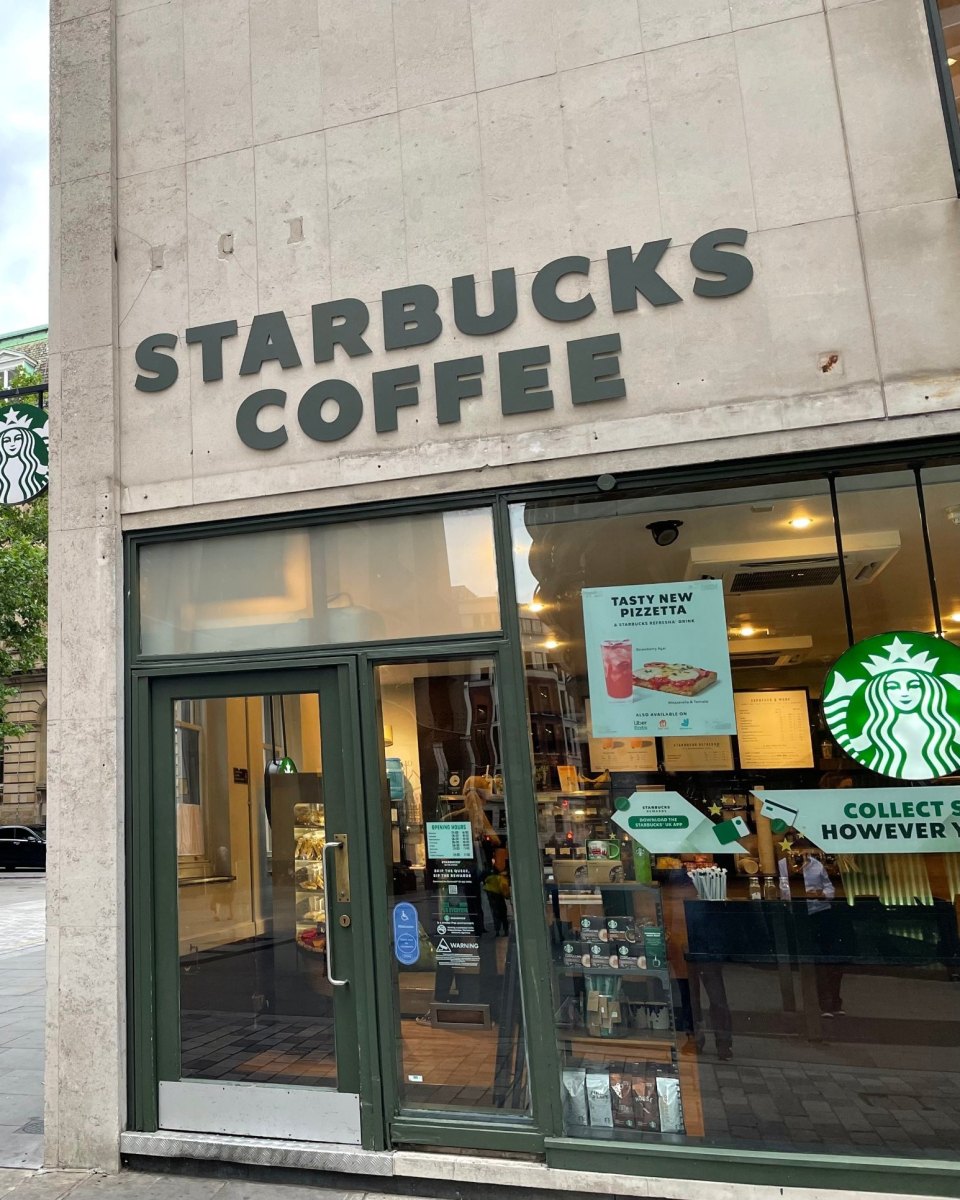
The green Starbucks siren is known the world over, and in London its coffee shops are everywhere. But behind the familiar latte sits not only coffee but a loud story about tax. Here it is in business terms: when Starbucks came to Britain, what the coffee costs, who owns the chain and why it faces so many questions over not paying tax.
When did Starbucks come to Britain?
The first British Starbucks opened in 1998 in Chelsea, London, on the King's Road. Today there are more than 1,000 outlets in the country. The brand is owned by the American Starbucks Corporation (NASDAQ, ticker SBUX), founded in Seattle in 1971. Many British coffee shops are run under franchise — held by partner companies rather than the corporation directly.
What does the coffee cost?
This is not a cheap segment. A latte, flat white or cappuccino costs £3.95 for a medium cup (Tall) and £4.35 for a large (Grande), an Americano £3.35–3.75, filter coffee £2.65, tea from £2.55. For comparison, coffee at McDonald's is about £1.99. In effect, at Starbucks you pay not only for the drink but for a place to sit, work on a laptop and use free Wi-Fi. The app has a rewards scheme.
 ONLYWAY NEWSLIVELife · 27.11London Royal Courts: how to visitLife · 27.11London Chinatown: who owns itJobs & Business · 27.11Job references: your rightsMoney · 27.11Starbucks in Britain and taxMoney · 27.11KFC in Britain: who owns itLife · 27.11The Shard: who owns the towerMoney · 27.11McDonald's in Britain: figuresLife · 27.11Churches and religion in BritainLife · 27.11City dragons: why fourteenMoney · 27.11NatWest: from public to privateONLYWAY NEWS · appInstall the ONLYWAY NEWS appFresh UK news, classifieds, key dates and exchange rates on your home screen, one tap away. Free.NewsClassifiedsCalendarRates
Who owns it and earns?
The main beneficiary is the American Starbucks Corporation and its shareholders. British coffee shops often belong to franchise partners who pay the brand for the name. So the money from your cup is split between a local operator and the parent company in the US — and exactly how it gets there is what became a scandal.
Why so many questions over tax?
In 2012 it emerged that, on billions of pounds of UK sales, Starbucks had paid just £8.6m of corporation tax in 14 years, and none at all since 2009. The scheme was legal: the UK arm paid "royalties" for the brand to a Dutch entity and bought coffee via Switzerland, so profit flowed abroad. There was a boycott, and the company promised to pay £20m voluntarily. The story has not ended: in 2026 Starbucks's UK retail arm secured a £13.7m tax credit and again paid no corporation tax, citing £29m of losses.
How is Starbucks useful to a newcomer?
It is a handy "second living room": long hours, free Wi-Fi and a toilet, power sockets and a place to sit quietly over a single cup. You can order in the app in your own language. For cheap coffee it is not the best choice, but for working on a laptop or meeting someone, it works well.
What's happening to the chain now?
Starbucks is opening new UK coffee shops (about 100 a year), but sales are falling: cheaper rivals like Greggs, Costa and McDonald's are taking customers, while Starbucks blames rising minimum wage and taxes and reports losses. Worldwide it is still a giant — over 38,000 coffee shops. The takeaway for a customer: handy and familiar, but pricey, and a large part of your money leaves Britain.
Thanks for £1If this information was useful and came in time, press the heart. Payment goes through PayPal, with nothing to choose and nothing to fill in, and it pays for the newsroom.
- Tax Self Assessment: 31 Jan deadline
- Money Do marketplace warehouses give goods away free? The truth about unclaimed parcels
- Law Yellow and red kerb lines: UK rules
- Life Royal week: Prince George starts at Eton, Prince William at King Harald's funeral
- Immigration UK Standard Visitor Visa in 2026: Rules, Fees and Duration
- Immigration UK visitor visa step by step 2026: timing, cost, biometrics and how long it takes
- Life Use by vs best before dates