London Royal Courts: how to visit
An 1882 listed building on the Strand. Entry is free, but justice is paid for: fees up to £10,000.
Thanks for £1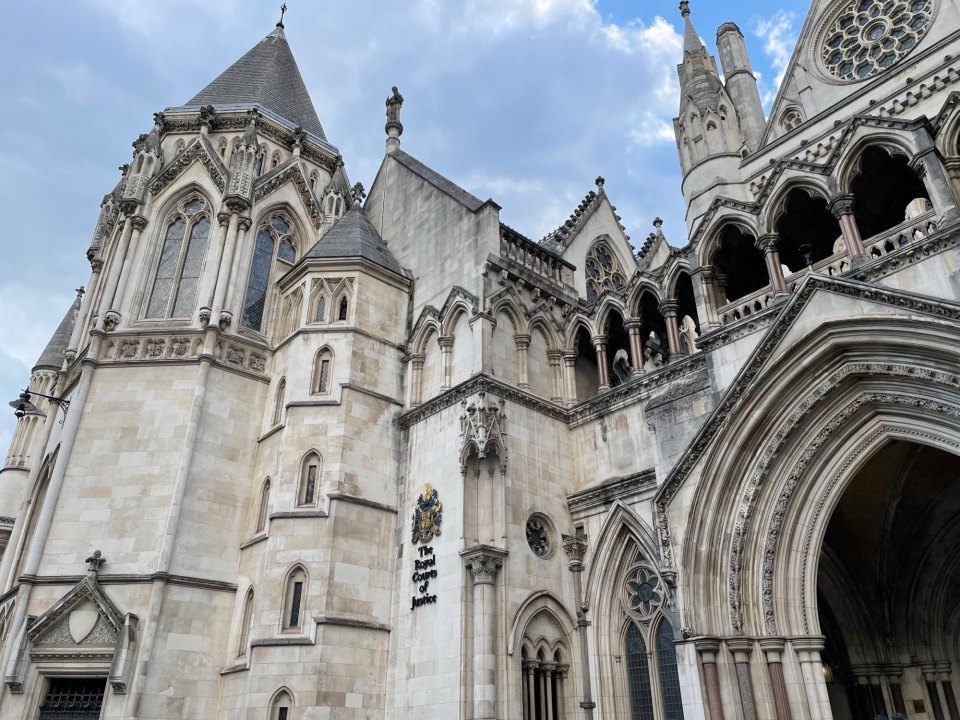
The huge cathedral-like Gothic building on the Strand is the Royal Courts of Justice. Anyone off the street can walk in free and watch a real court case. But behind the free entry is costly justice: the state spends about £4.6m a year just on the building, while parties pay fees running into thousands of pounds. Here it is in business terms, with the numbers.
What is this building and what did it cost?
The Royal Courts of Justice was opened by Queen Victoria on 4 December 1882; the architect was George Edmund Street, who died before it was finished. It is Victorian Gothic and a Grade I listed building (since 1970). Inside there are more than 1,000 rooms and dozens of courtrooms, and the Great Hall is 73 metres long and 24 high. Construction cost nearly £1m — an enormous sum in the 19th century.
What cases are heard here?
This matters, so you don't confuse it. The building houses the High Court and the Court of Appeal, and the cases here are mostly civil, not criminal: disputes over money and business, divorces, libel, claims against the state, appeals. High-profile criminal trials (murders, robberies) are heard not here but in the Crown Court — the most famous being the Old Bailey in the City. People come here to sue over money and rights, not to be jailed.
Can you go inside?
Yes, and it is free. The court is open to the public on weekdays from roughly 9:00 to 16:30. At the entrance there is airport-style security: bags on the belt, a metal-detector arch. Inside you can see the Great Hall, an exhibition of robes and wigs, and — above all — step into an open courtroom and listen to a real case. Photography and filming in the courtrooms are not allowed, and phones are switched off.
What does it cost parties and the state?
Justice in Britain is not free. Issuing a money claim carries a fee: for claims from £10,000 to £200,000 it is 5% of the value, and for larger claims a fixed maximum of £10,000. A non-money claim in the High Court costs £663 to issue, filing an appeal £302, a divorce £593. The building costs the state dearly too: repairs, cleaning and upkeep alone (excluding electricity and water) run at about £4.6m a year — even though reports show the courtrooms are used less than half the working time, around 42%.
How is this useful to a newcomer?
First, it is a free and powerful outing in the centre of London — a beautiful building and the chance to see the British courts in real life. Second, a practical point: if you ever go to court in Britain over a civil matter (a dispute with an employer or landlord, a divorce), these are the courts that handle it, and most hearings are open — you can come and watch in advance and understand how it works before you pay a fee.
In short
The Royal Courts of Justice is a working High Court and Court of Appeal in a listed 1882 building, where civil, not criminal, cases are heard. Entry is open and free, and anyone may watch hearings. But the justice itself is paid for: fees from £300 to £10,000, and keeping up the building costs the treasury about £4.6m a year. For a newcomer to Britain it is both a beautiful place and a clear lesson in what the law actually costs.
Thanks for £1If this information was useful and came in time, press the heart. Payment goes through PayPal, with nothing to choose and nothing to fill in, and it pays for the newsroom.


- Tax Self Assessment: 31 Jan deadline
- Money Do marketplace warehouses give goods away free? The truth about unclaimed parcels
- Law Yellow and red kerb lines: UK rules
- Life Royal week: Prince George starts at Eton, Prince William at King Harald's funeral
- Immigration UK Standard Visitor Visa in 2026: Rules, Fees and Duration
- Immigration UK visitor visa step by step 2026: timing, cost, biometrics and how long it takes
- Life Use by vs best before dates