Guides to living in Britain
Page 5 of 7: material from 10 to 14 September 2026. Guides to living in Britain, all checked against official sources.
Showing 24 of 147
 ADV · A001ONLYWAY JEWELRY — gold, silver and platinumRings, chains, bracelets, earrings and pendants. Delivery across the UK.Advertise here
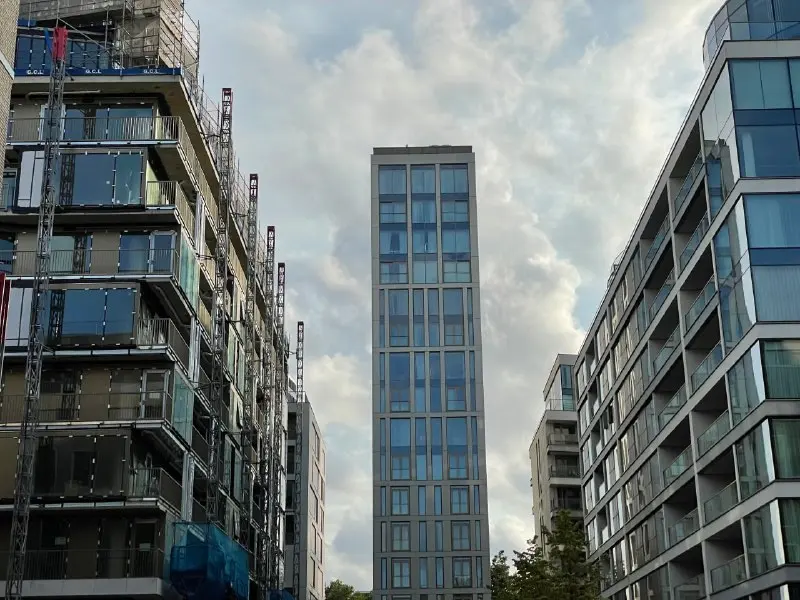
Your mortgage fix is ending: how to lock a rate six months early and avoid the SVR
Bank Rate is 3.75%, but newly drawn mortgages cost 4.45% in July and the whole outstanding stock 3.97%. When a fix ends, the lender moves you onto its standard variable rate by default — almost always the most expensive option available. Under the Mortgage Charter you can reserve a new deal six months ahead and swap it for a better one if that appears before it starts.
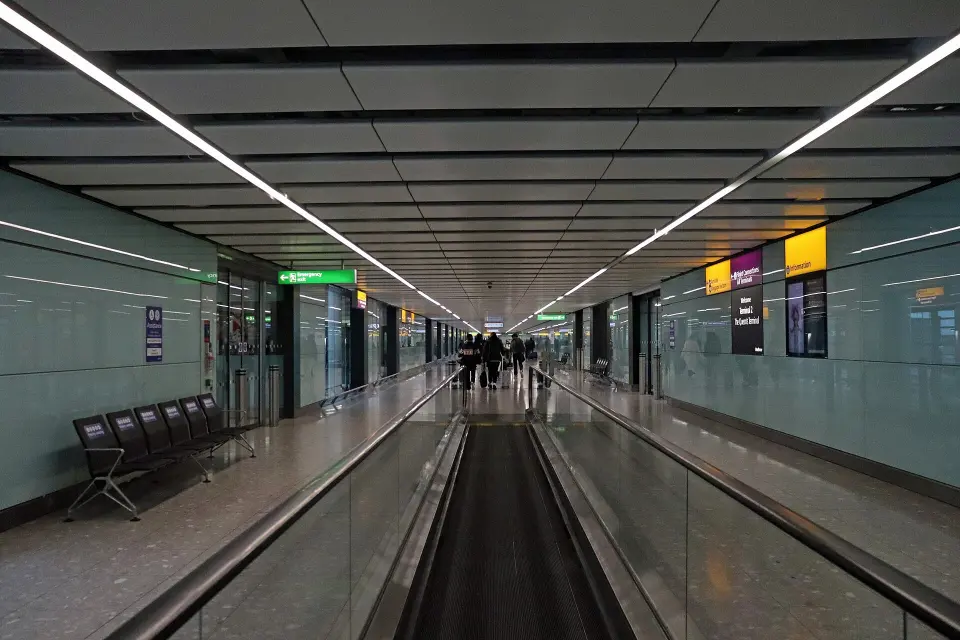
Moving to the UK in 2026: visas, real costs and what has changed
A guide built from primary sources: which visa you need to work, what the move actually costs, where to enrol biometrics from Russia and Belarus, and whether settlement really now takes ten years.
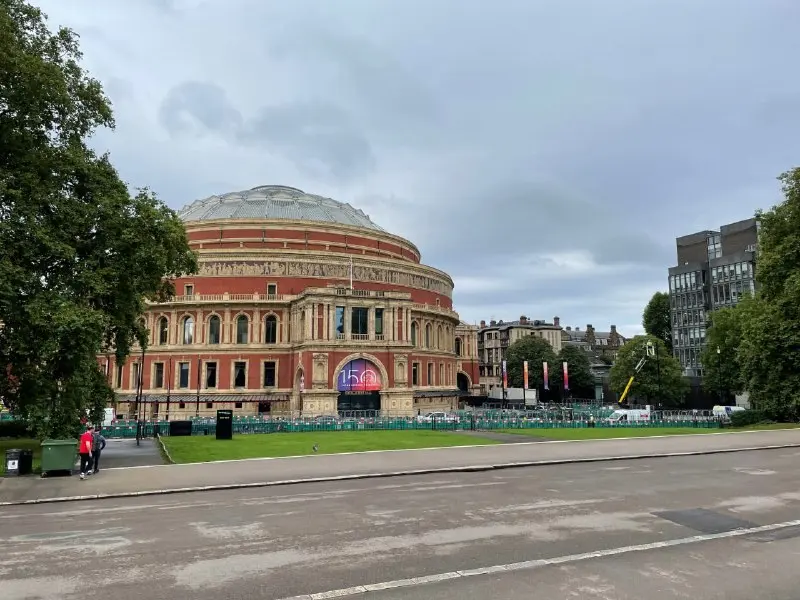
The whole hall stands and sings Rule Britannia: what the Proms are and how to get in for £8
On 12 September the eight-week festival closed at the Albert Hall — 86 concerts and three thousand musicians. A standing ticket to any of them costs eight pounds and goes on sale at 9:30am the same day. Here is the Last Night ritual, explained and made usable.

A thousand deer forty minutes from central London: what the rut is and why you must not approach
From late September to early November the rut runs in Richmond Park and Bushy Park. Free to watch, but fifty metres is safety, not courtesy. Plus where London's autumn colour is and how to get into Kew for £10.
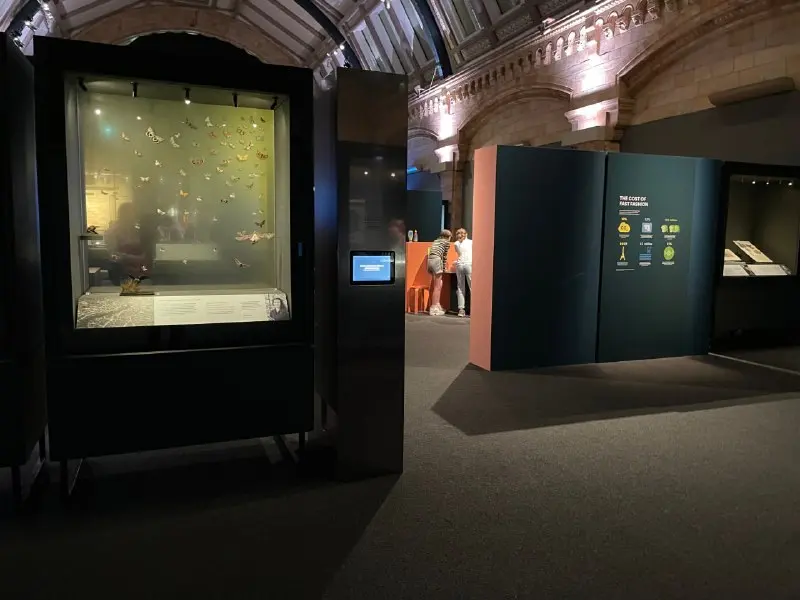
Autumn in London's museums: what closes, what opens and how not to overpay
Whistler goes on 27 September, Dadd on 25 October, Schiaparelli on 8 November. Es Devlin, the 90s at Tate and Agatha Christie arrive. Dates, prices and four ways to pay less.
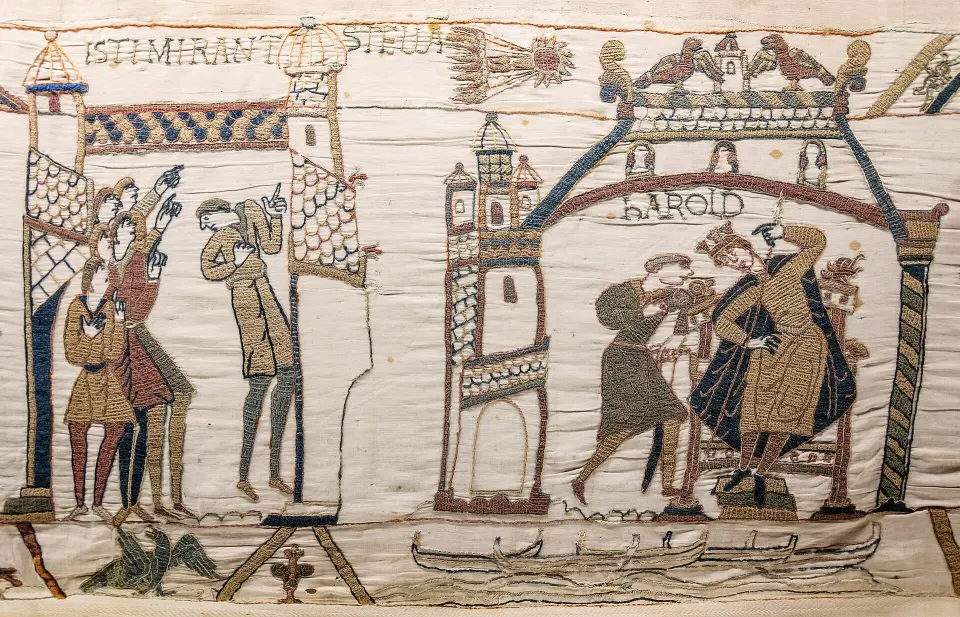
The Bayeux Tapestry in London: 70 metres, 1066 and £33 tickets that are already gone
The British Museum has brought the Norman Conquest embroidery to Britain for the first time in almost 900 years — and everything is sold out until January. What is on show, what it costs, the rules, and what to look for on the cloth.

Britain's autumn sky: a calendar of meteor showers, supermoons and dark nights
From 23 September to 22 December: six meteor showers in a row, two supermoons and the clock change that brings darkness by five in the afternoon. Dates, the best nights, dark sky sites and what to take.
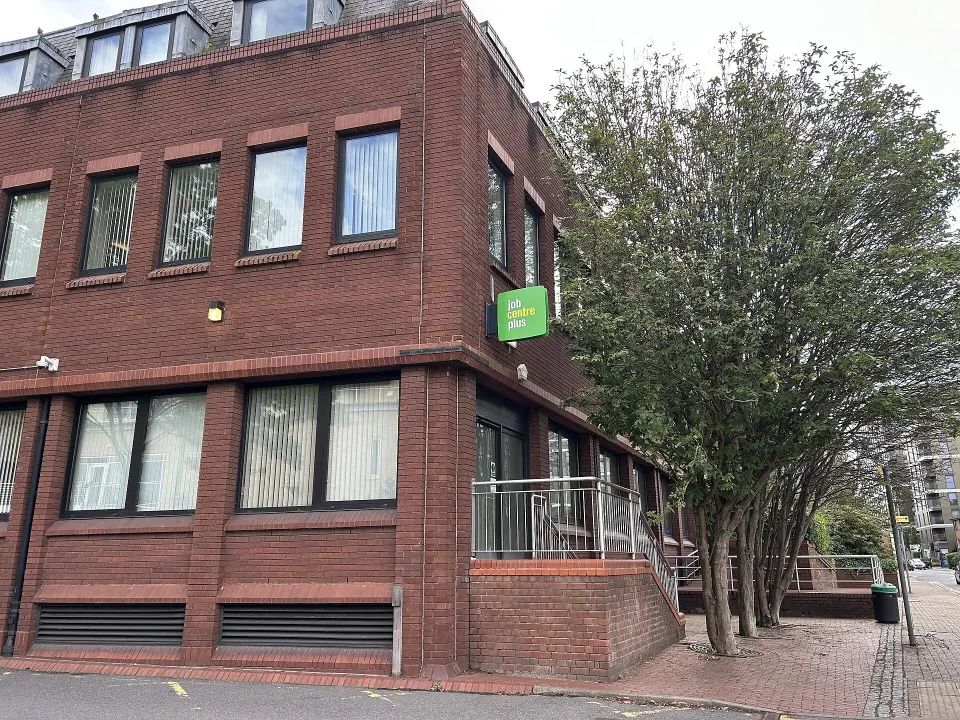
The National Insurance number: how to get one, how long it takes, and working without it
An NI number is not permission to work and not a tax number in the usual sense. It is the key the state files your contributions under, and your State Pension and some benefits depend on it. It is free, it takes up to four weeks, and you can work while you wait.
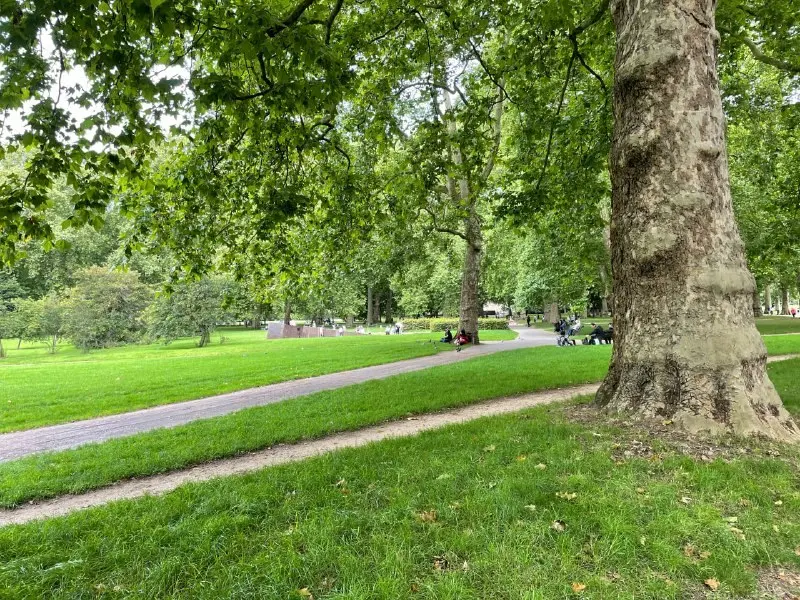
London on Sunday 13 September: what is free and what you pay for
Open doors across the city, a free wellness festival at Wembley, Korean barbecue in the Olympic Park, classic boats by Tower Bridge and the Hampton Court gardens. Here is what cost money that day and what did not.
The UK State Pension: 10 years, 35 years and an age of 67 — how it is actually counted
The full new State Pension in 2026/27 is £241.30 a week, about £12,548 a year. It is not paid to everyone and not automatically: you need at least 10 years of contributions, usually 35 for the full amount, and from April the pension age started climbing from 66 towards 67.

HC 584: what changes in the UK Immigration Rules from 8 October — a breakdown by date and route
The Home Office has laid another package of amendments before Parliament. It carries four commencement dates, a dozen affected routes, and one significant piece of news about what is not in it. Here is what changes, who it touches, and which amendments come with transitional protection — and which do not.

What to do in London on 12–14 September: Open House, the Design Festival and ten more free things
Two large festivals open on Saturday: Open House unlocks buildings that are normally shut, and the London Design Festival runs for the twenty-fourth time. Plus a rowing race up the Thames, a flotilla by Tower Bridge, the Hampton Court gardens for nothing, and Korean barbecue in the Olympic Park. The full weekend listing, with the free things marked.
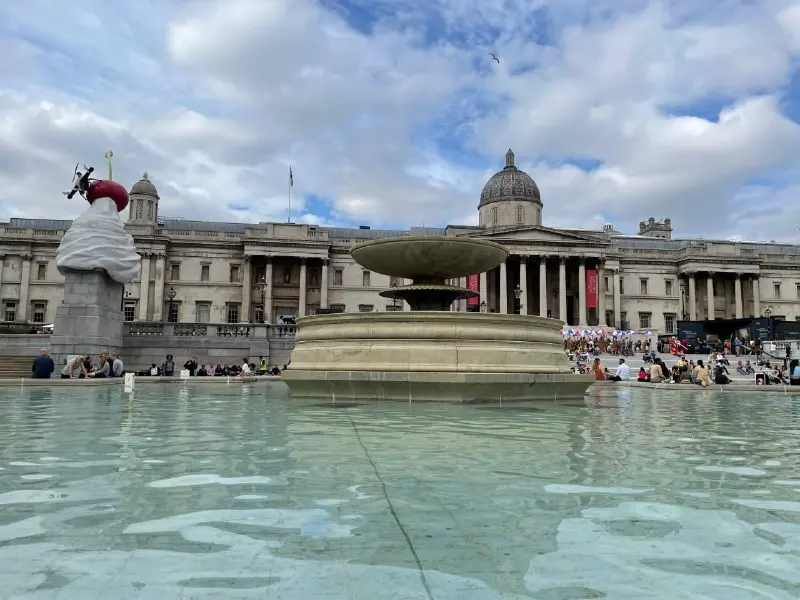
The Fourth Plinth: who gets there, how, and for how much
The programme costs £1.03m over three years and about £230,000 per commission: a £30,000 artist fee and £200,000 for production — a fixed sum, not a ceiling. Three selection stages, maquettes shown at the National Gallery, a specialist panel decides and there is no public vote. The full list of works since 1999, and an honest answer to why not everyone gets there.
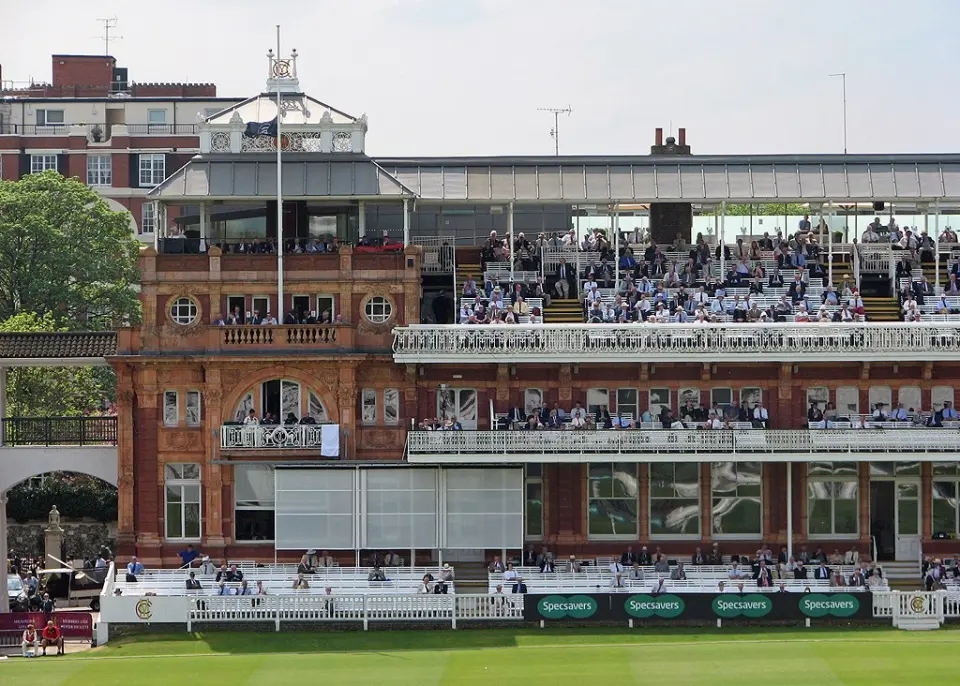
Opening the sport section: where the Premier League, the WSL and the cricket stand, and what you need to follow the conversation
Three rounds in: City and Arsenal on 9 points, promoted Hull City third. England took World Cup bronze beating France 6–4; Spain are champions. The Women’s Super League has grown to fourteen clubs. The cricket season ends on 27 September. How the English pyramid works, why 3pm Saturday matches are not televised, and what you can watch for nothing.
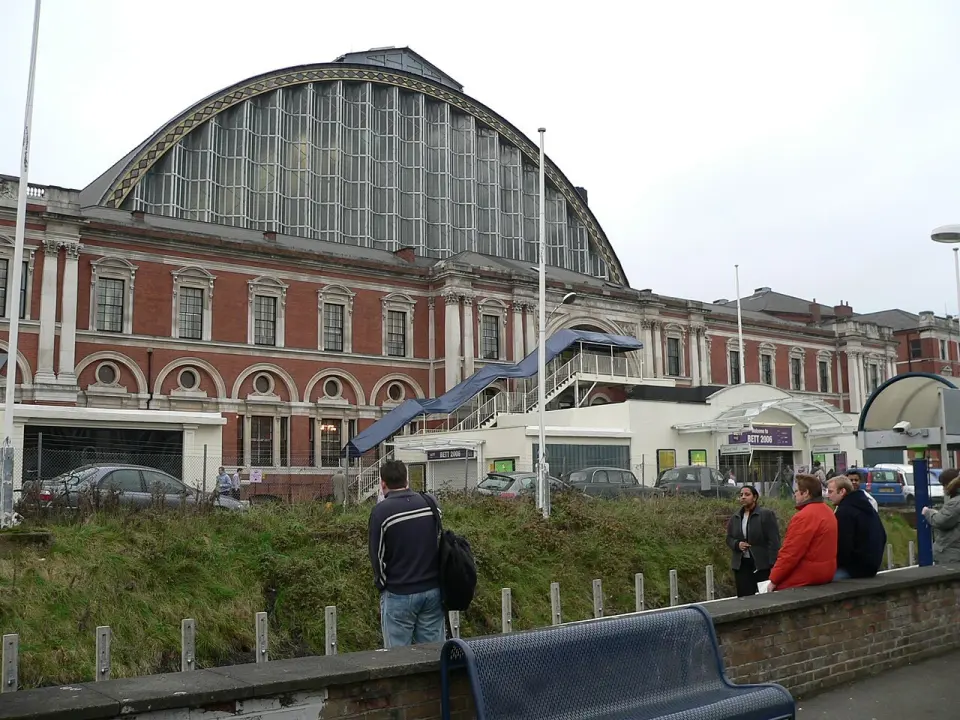
London trade shows: Olympia and ExCeL, what is on this autumn, and how to get in free
The trade show is the most underrated free resource a small business has: suppliers, wholesale prices and customers in one hall. The full Olympia and ExCeL calendar from September to November, from Top Drawer and Speciality Fine Food to World Travel Market and The Business Show. Plus the key fact: almost every B2B show is free if you register in advance.
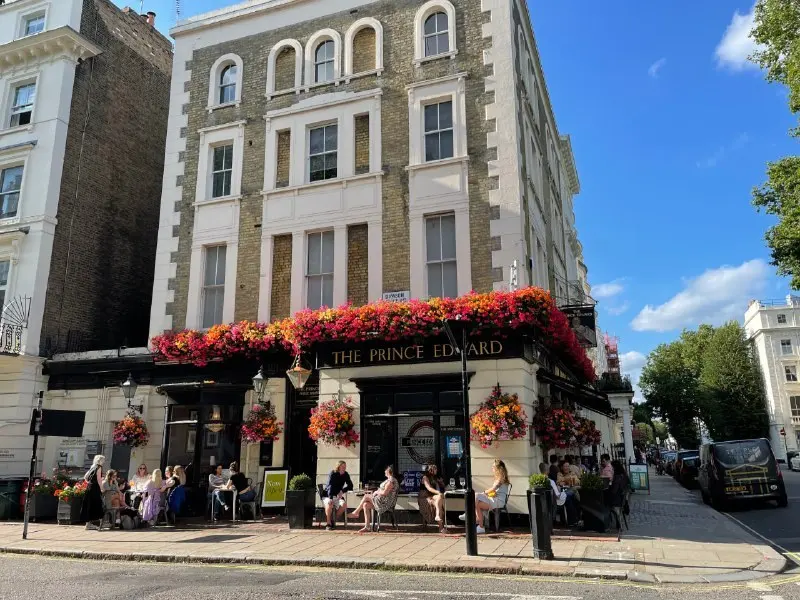
The pint after work, Friday, Saturday and Sunday: the unwritten rules of British life
Why people go to the pub to sit rather than to drink, what a round is and why you cannot skip it, where POETS day comes from, why the main match is not on television at three on a Saturday, how many hours you actually have to shop on a Sunday, and how the North differs from the South and Scotland from Wales. Plus seven rules that save a newcomer a year.
AI by the numbers: what it is worth, what it runs into, and why "which shares should I buy" is the wrong question
Nvidia at $5.45 trillion and first in the world. Anthropic valued at $965bn against OpenAI at $852bn — but one is profitable and the other loses more than a dollar per dollar earned. Growth runs into electricity, not ideas: 140 British projects are waiting for a grid connection, some for up to fifteen years. What AI does well, where it invents, how politicians know about shares, and why the honest answer on investing sounds dull.
Changing money and sending it abroad from Britain: where the cost hides and what to check
The fee is not the biggest cost — the real money goes into a spread nobody displays. How to work out what an exchange truly costs, why you should never be billed in pounds abroad, why non-bank services carry no FSCS protection, and the honest position on transfers to Russia and Belarus.
Universal Credit: who can claim, what it pays, and why many people must not apply
The standard allowance runs from £338.58 to £666.97 a month, savings are capped at £16,000, and every £1 earned cuts the payment by 55p. But first things first: most visas carry a no recourse to public funds condition, and claiming without the right damages your visa. How to check your condition and what to do if you have no right to claim.
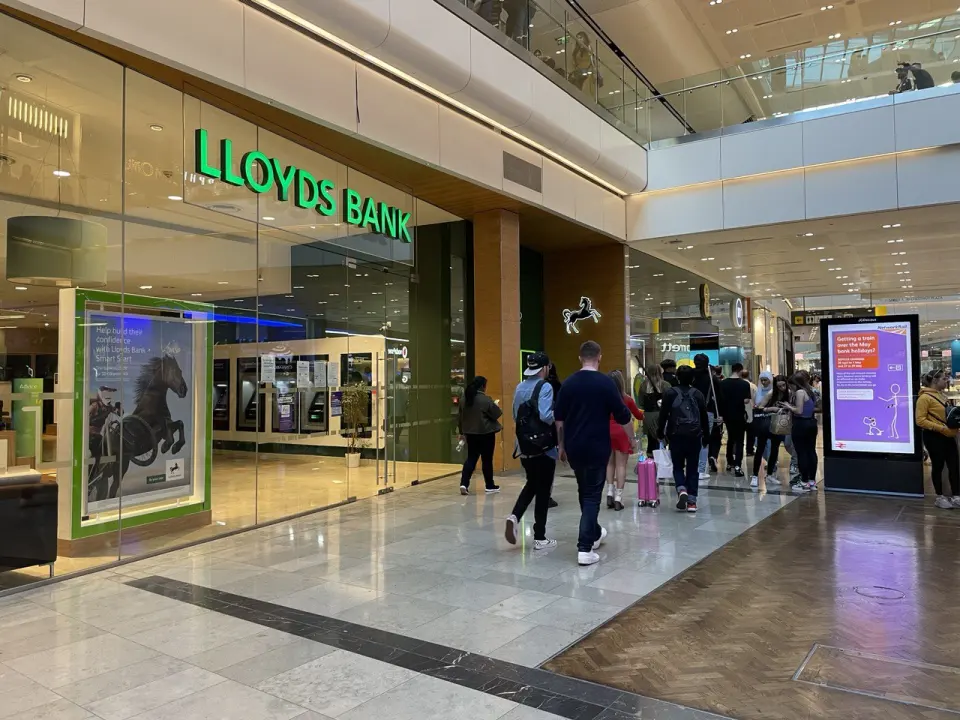
Going self-employed in the UK: registering, your UTR and what you pay in 2026
Register if you earned more than £1,000 in a tax year, and tell HMRC by 5 October. Class 2 is no longer compulsory; Class 4 is 6% and 2%. Unregistered subcontractors lose 30% instead of 20%. From 6 April 2026, turnover above £50,000 means quarterly reporting. And the part that catches people out: a Student visa bars self-employment, while a Skilled Worker visa allows 20 hours a week.
Schengen biometrics explained: how EES works, when ETIAS arrives, and what Britain does instead
Since 10 April 2026 EES has run at every Schengen border: no stamps, fingerprints and a facial image instead. ETIAS is expected in Q4 2026 — €20 for three years. British status does not exempt you from EES, and Britain itself requires a £20 ETA. Point by point.
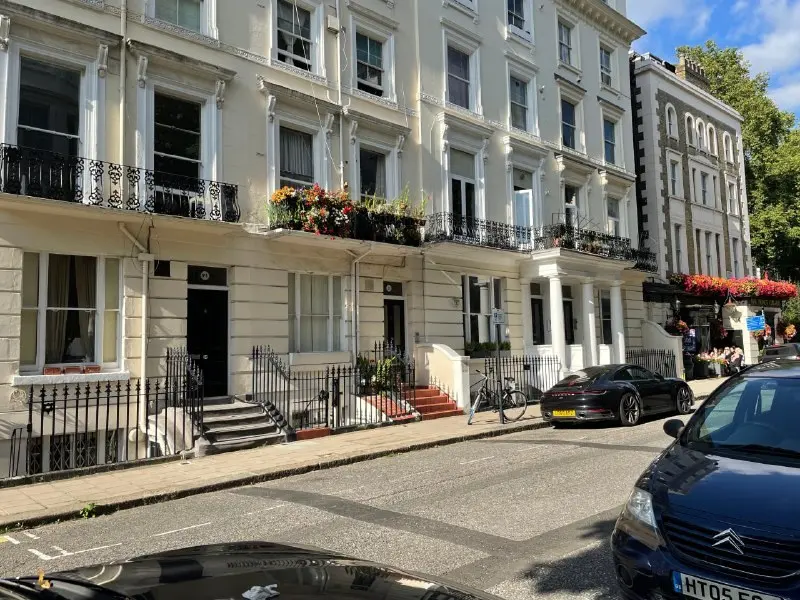
Council tax in 2026/27: what you pay, who pays less, and what happens if you fall behind
The average Band D bill in England is £2,392 a year. A 25% single-adult discount, 50% and full student exemptions, and the separate Council Tax Reduction scheme — none of it applies automatically, only on application. And seven days after a missed payment, the whole year becomes due.
Driving in the UK on a foreign licence: exchange rules, tests and costs in 2026
An EU licence is valid until you are 70, a Ukrainian one for 36 months, and a Russian, Belarusian, Kazakh or Moldovan one for just 12. Which countries can exchange without tests, who must sit theory and practical, what it costs, and where people lose time.
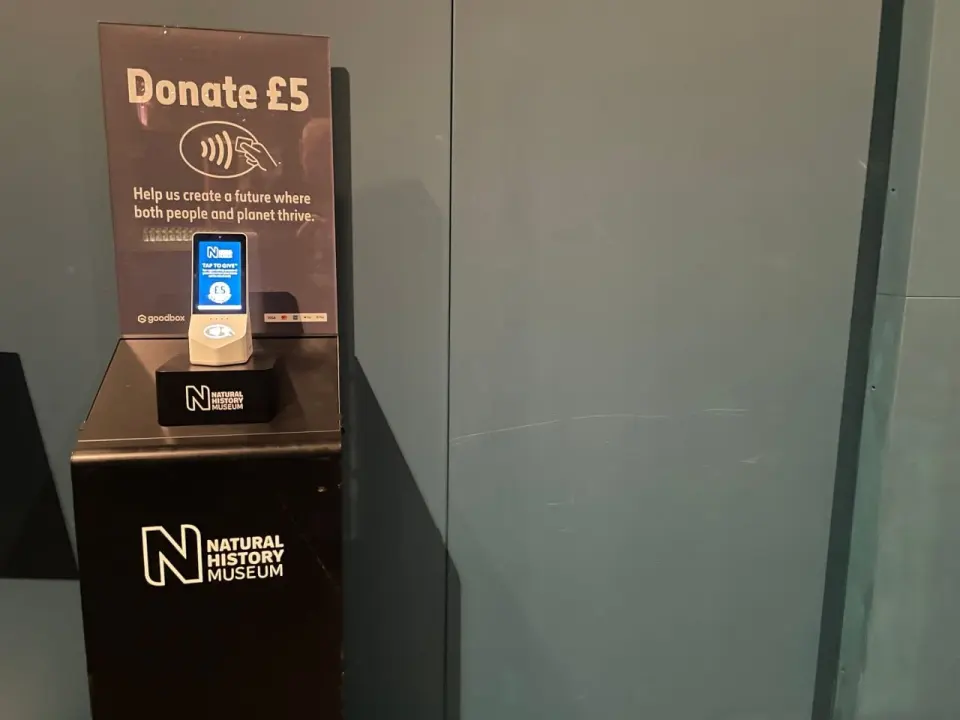
Digital currency explained: the pros and cons of the digital rouble, euro and pound
There is no exchange rate for a digital currency and never will be, nobody is being made to convert their money, and cash is not being abolished. Smart contracts for controlling earmarked spending, on the other hand, are real and documented. What already works in Russia, when the digital euro and pound arrive, and which fears have substance.
Nothing found. Adjust your query or dates.