£210m for England's high streets: derelict buildings converted, empty shops let by rental auction
The government has allocated £210m to revive high streets: £125m to buy and convert derelict buildings, £65m to rescue pubs and clubs, £20m for rental auctions of empty premises and co-operatives. Where the money goes — and how a small business can take over an empty shop.
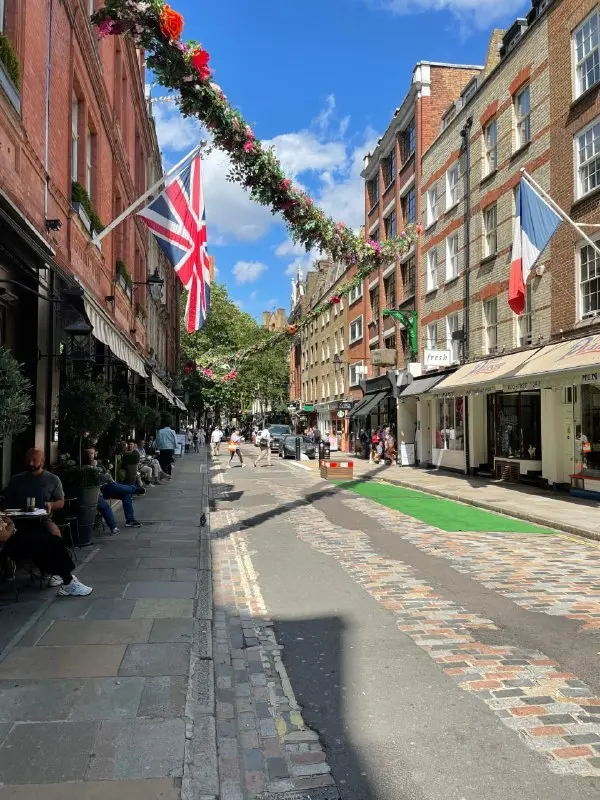
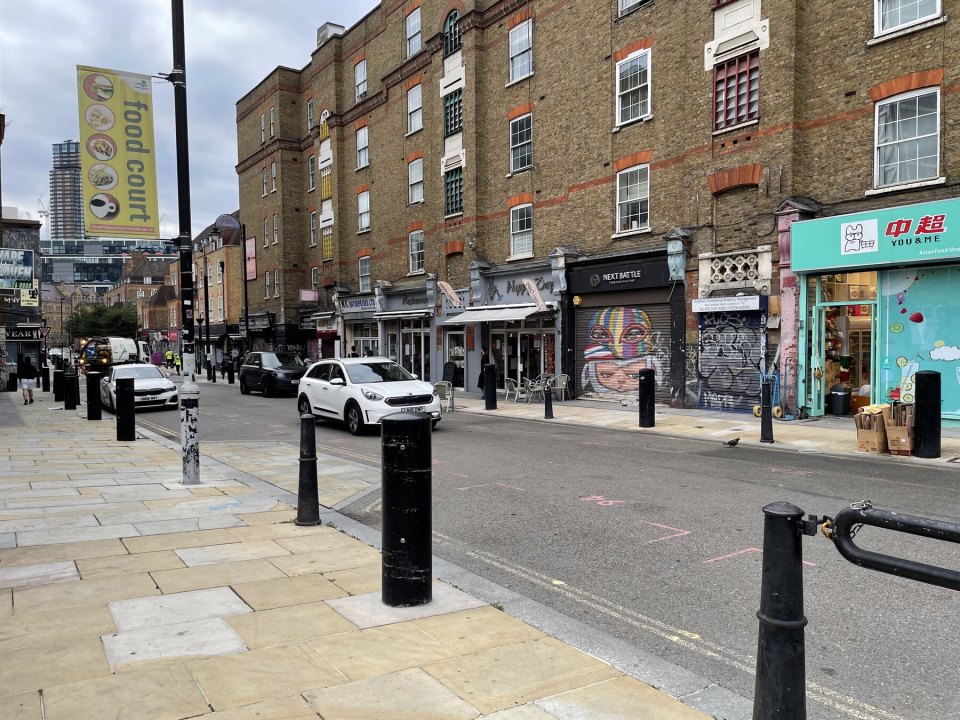
The Ministry of Housing, Communities and Local Government announced a £210 million package on the evening of 25 September to revive England’s high streets. Boarded-up buildings — empty shopping centres, disused cinemas, abandoned shops — will be bought up and converted into what residents actually need: health centres, shared workspaces, cafes and community spaces.
For anyone running or planning a small business, the most practical part of the package is this: premises that have stood empty for over a year can be put up for rental auctions by the council — a chance to take a spot on the high street that the owner has kept shuttered for years.
 ADV · A003We build websites for tradespeople and sole traders — £219Customers see your work and prices and message you straight away. Ready in 3 days, £219 instead of £438.Advertise here
Where is the money going?
The package has three parts. The largest is the new £125 million Derelict Buildings Fund: councils will get money to buy and convert derelict buildings for local needs. Another £65 million goes to rescuing much-loved places at risk of closure — pubs, sports clubs, local businesses. The remaining £20 million is split equally between rental auctions for empty premises and a new programme developing co-operatives — businesses owned by their staff and customers.
What are rental auctions, and why do they matter to small business?
High Street Rental Auctions let a council auction the lease of a commercial property that has been empty for more than 12 months. An owner can no longer simply keep a shop boarded up. For a small business it is a way onto the high street at an auction-set market price; if you have your eye on premises, ask your council whether it is taking part.
What has already been done under these programmes?
The new funds build on the existing Pride in Place programme, under which residents in Ramsgate took over their youth centre and the former Brunswick Shopping Centre in Scarborough is being redeveloped. The government cites both as the model for what comes next across the country.
Who decides what gets built near you?
The money flows through councils, mayors and strategic authorities — decisions about specific buildings will be made locally. Prime Minister Andy Burnham framed the package as shifting power to communities: “People don’t measure growth by looking at a spreadsheet. They measure it by looking at their local high street.” A full high streets strategy is promised later this year; the next big date is the Autumn Budget on 28 October.
What does it mean for you right now?
For residents — gradually fewer boarded-up shopfronts: the money is already earmarked in MHCLG’s budget and the programme has started. For business owners — two concrete tools: watch for rental auctions at your council, and look at the co-operative programme if your business is community-minded. And getting to those revived high streets is about to get cheaper: from January the £2 bus fare cap returns across England.
- Travel London Tube and TfL closures in October 2026: the Piccadilly line stops entirely at Halloween, and no Tube to Heathrow on 17–18 October
- Life Free English with a native speaker: how Russian speakers can find a language partner
- Life A London concert cancelled back in March is still on sale for 4 October — and the full Russian-language listings for October
- Life Primary school applications close on 15 January: only 85% of Inner London children get their first choice
- Life A hundred students walked into an Edinburgh pub? What the viral Reel really shows
- Tax HMRC visits: how to check an officer's identity under the rules updated on 7 October
- Life Russian-language events in London: verified dates to December 2026